

 English
 España
Cordless vs Corded Hand Blender Performance Analysis and Market Guide
 2026.01.13
 News
News
In the rapidly evolving landscape of Small Domestic Appliance markets, the hand blender is undergoing a technological revolution. For professional culinary enthusiasts and industry buyers prioritizing efficiency and Mobility, choosing between a Cordless and a Corded model is no longer just about power source connectivity. It involves a sophisticated trade-off between Torque, Battery Management System (BMS), and long-term Product Lifespan.
Power Core: Peak Wattage and Stability Benchmarking
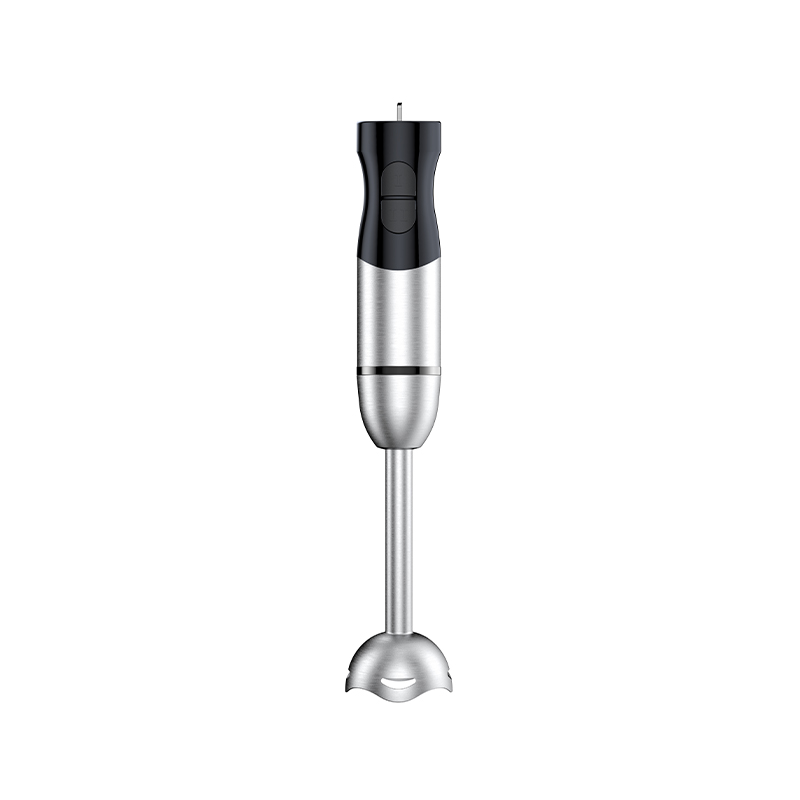
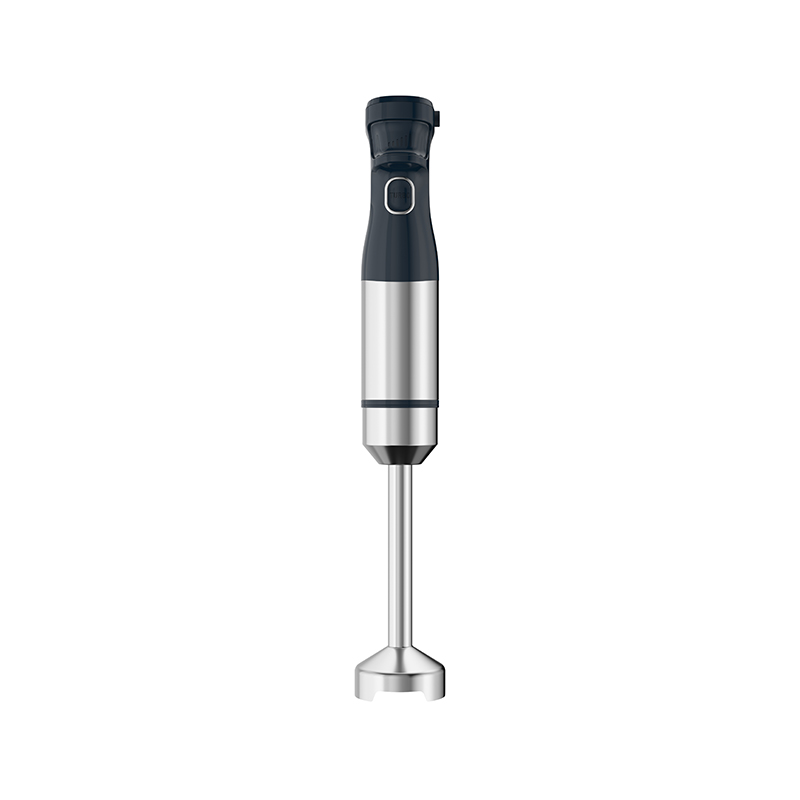
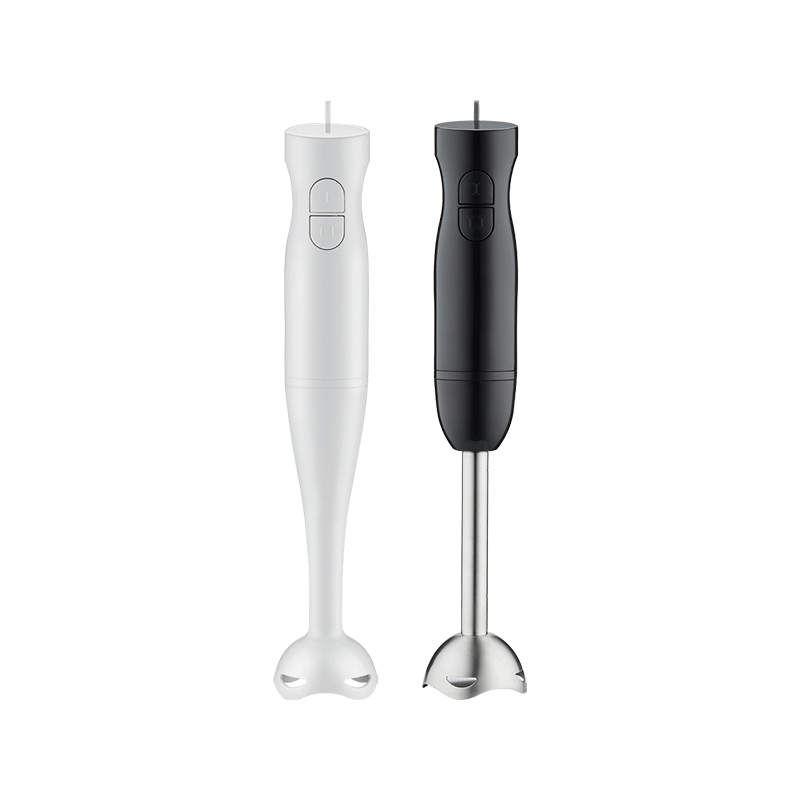
Within the coordinate system of professional kitchenware, Power Output remains the primary performance metric. Corded Hand Blender models, connected directly to 220V or 110V AC power, maintain a consistently high Steady Power. When processing frozen fruits or high-viscosity nut butters, high-spec corded models (600W-800W) deliver sustained Torque without degradation. Conversely, Cordless Hand Blender units rely on Lithium-ion Battery technology. While early versions suffered from voltage drops, 2026 flagship models utilize Brushless Motor technology and optimized drive algorithms, allowing their Peak Performance to rival mid-range corded counterparts for short-duration tasks.
Operational Radius: Redefining Convenience and Kitchen Space
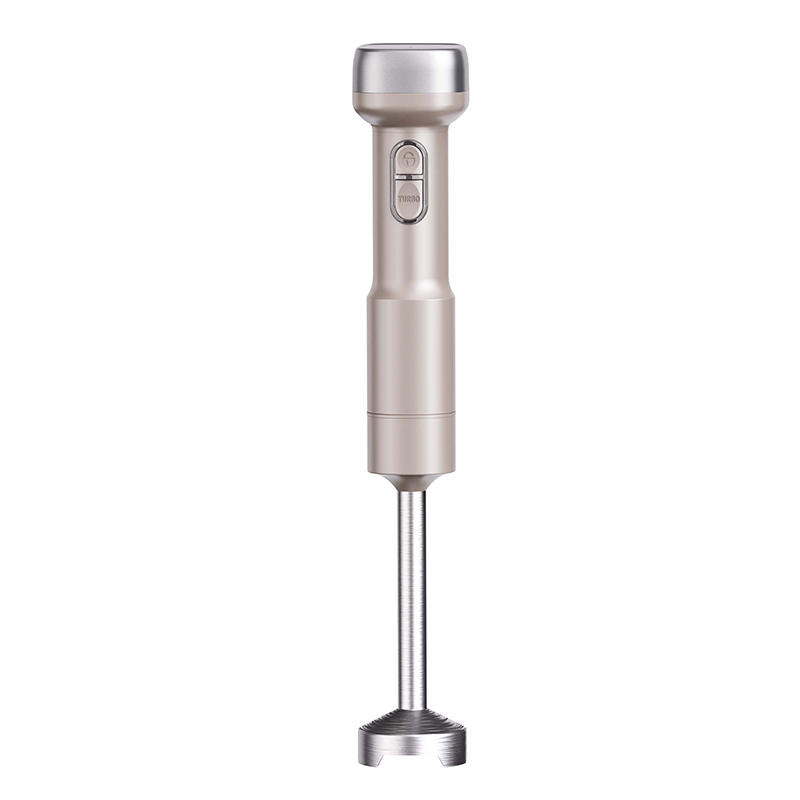
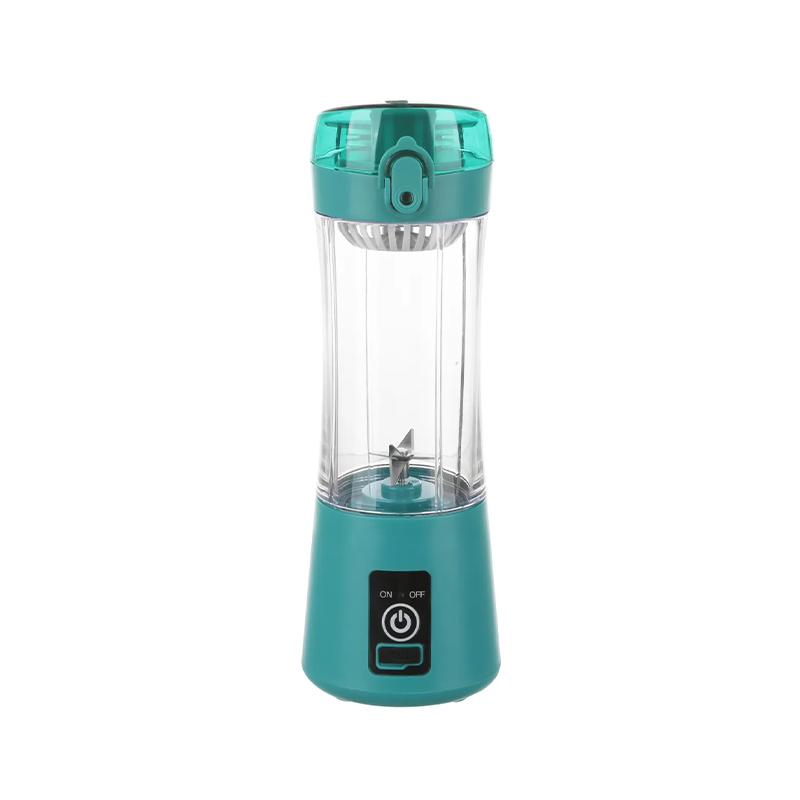
The surge of Cordless technology stems from the total liberation of the workspace. Cable-Free Convenience eliminates the physical constraints of a power cord, allowing users to process deep pots of soup directly on a stovetop far from a wall outlet. This prevents the cord from accidentally touching a flame or knocking over counter-top spice jars. Regarding Storage & Aesthetics, cordless models often feature a Charging Base or support USB-C Fast Charging, reducing cluttered drawers. This Ergonomic Design aligns with modern minimalist kitchen trends and enhances Portable Usage for RV travel or outdoor catering.
Endurance and Longevity: Battery Anxiety vs Mechanical Wear
Evaluating Cost-efficiency requires looking at energy density and wear. Runtime for modern high-performance cordless blenders usually spans 20-30 minutes of continuous operation on a Full Charge. While sufficient for household use—where tasks often last 1-3 minutes—the Battery Life might become a bottleneck in a Commercial Kitchen environment. In terms of Durability, Corded models have a simpler structure without the risk of chemical aging, often resulting in a lifespan of 5-10 years. Cordless products are limited by the charge cycles of the battery, making models with high-end BMS protection a more strategic long-term investment.
Attachment Ecosystem: Synergies in Multifunctional Expansion
Whether using a Whisk, Chopper, or Masher, cordless units face high Discharge Rate demands. During high-load tasks like mincing hard cheeses, the Corded model’s Continuous Duty Cycle provides seamless operation. Cordless models excel in rapid, fragmented tasks such as whipping cream or emulsifying Mayonnaise. The efficiency of the Coupling Mechanism in cordless models is critical to ensure that battery power is not wasted through mechanical friction.
 SEE more
 SEE more
 SEE more
 SEE more
 SEE more
 SEE more
 SEE more
 SEE more
 SEE more
 SEE more
 SEE more
 SEE more
 SEE more
 Leave a message
Copyright © Ningbo Longde Life Electric Appliance Co., Ltd.  Wholesale Portable Kitchen Appliance For Outdoor Use Manufacturers