

 English
 España
How Can Kitchen Equipment Upgrades Boost Meal Prep Efficiency
 2026.04.03
 Industry News
Home cooks and restaurant owners deal with the same headache every single day in the kitchen: prepping ingredients fast, evenly, and without burning through extra hours or wearing out their wrists. Hand-cutting everything feels endless, pieces come out all different sizes, and those basic knives or manual gadgets just don't hold up when you're using them night after night. That's where turning to a Food Chopper Manufacturer can make all the difference. These equipment suppliers step up with solid, dependable cutting tools designed for both busy home counters and high-volume commercial setups. They focus on gear that keeps meal prep flowing smoothly, matches real-world work habits, and fits whatever space you have available.
Thinking about updating your kitchen or swapping out tired tools? Reaching out early to the right suppliers clears up a lot of confusion right away. It takes the guesswork out of picking the right size, power level, and extra features that actually match how you cook every day. This guide breaks down the most common questions people have when they start talking to these companies—from the very first chat all the way to unboxing the final piece. You'll learn what really matters for your specific setup, how custom orders usually roll out, why everyday home cooks get in touch, smart ways to keep the process easy, where to track down the best options, and the smartest timing for bigger purchases.
What really matters when you first contact suppliers for your kitchen upgrade project? The conversation usually kicks off with straightforward questions about your actual space and daily routine. How big is the kitchen area? The unit has to sit comfortably on the counter or workstation without bumping into everything else you use. Usage volume makes a huge difference too—a small family that makes a few meals a day needs something totally different from a busy eatery pushing out dozens of plates during rush hour.
Blade style and built-in safety details almost always come up next. The team wants to know what you chop most—fresh veggies, fresh herbs, crunchy nuts, or maybe even tougher items like root vegetables—so they can recommend something that delivers consistent results without jamming or overheating. If you run a commercial kitchen, you'll also talk about meeting local health and safety rules, especially how easy the whole thing is to take apart and clean between shifts.
Before you call, jot down a few details that help them give better advice. How does the power outlet situation look? Will you need any tweaks to counter height or storage shelves? Sending over a quick photo or rough sketch of the workspace lets them picture your real layout and suggest solutions that actually work in practice. One family cook I heard about used to dread dinner prep because dicing onions and peppers took forever and left the kitchen a mess. After a quick conversation with the right supplier, they picked a compact model that fit perfectly on their limited counter. Prep time dropped dramatically, cuts stayed uniform, and suddenly weeknight meals felt less like a chore and more like something the whole family could enjoy together. Getting these basics sorted upfront prevents headaches and last-minute changes later on.
Now, let's talk about how these kitchen cutting tools actually operate, because understanding the mechanics helps you choose smarter. Most modern units rely on a sturdy motor housed in a compact base that powers a set of sharp, precision blades spinning inside a durable bowl. You load your ingredients, secure the lid (which usually includes a safety lock so it won’t run unless everything's properly closed), and either pulse or run continuously depending on how fine you want the results. The blades are engineered to create even dices, slices, or minces in seconds, and many models include different insert options for everything from coarse chunks to almost-pureed textures. Power levels vary—some run on standard household outlets with quiet motors perfect for apartments, while heavier-duty versions handle commercial volumes without slowing down. Cleaning is straightforward too: most bowls and blades pop out and go straight into the dishwasher, and the base wipes down in under a minute. This simple design means you spend less time fighting with the tool and more time actually cooking.
Custom orders from these suppliers follow a pretty predictable path that keeps everyone on the same page. It all starts with a detailed talk about your goals—how much volume you need to handle, what finish matches your cabinets, and any special requests for daily output. Many teams review your drawings or take measurements on-site to guarantee a perfect fit. Then comes the prototype stage. They often build a small test version so you can try it out with your own ingredients and see how it performs in real life. You can request small tweaks at this point before they commit to full production. Once you give the green light, assembly focuses on quality checks, secure fittings, and making sure everything runs safely and stably. Delivery timelines depend on current workload, but good suppliers give honest estimates right at the beginning so you can coordinate with your overall renovation schedule. Whether you're outfitting a cozy home kitchen or a full restaurant prep line, the goal stays the same: a unit that feels rock-solid on the counter and sits at a height that feels natural for hours of use.
Plenty of home cooks reach out to these suppliers for everyday reasons that hit close to home. Manual prep eats up surprising amounts of time when you're juggling work, kids, or just trying to get dinner on the table before everyone gets hungry. Knife skills vary, fatigue sets in, and suddenly your perfectly planned stir-fry has uneven pieces that cook at different rates. Plus, cheap tools dull quickly and end up in the trash far too soon. A reliable kitchen prep device changes that dynamic completely. It cuts effort while delivering pieces that cook evenly, look professional, and taste better because flavors distribute right. Many people say their new tool blends right into the counter like it always belonged there—no bulky eyesore, no constant storage hassle.
Take Sarah, a busy mom in a suburban kitchen who used to spend twenty minutes every evening just chopping veggies for one meal. She finally decided enough was enough, contacted the right supplier, reviewed a few layout-friendly options, and settled on a mid-sized model that handled everything from garlic to carrots without fuss. Within a week, dinner prep felt lighter, the family ate together more often, and she actually looked forward to experimenting with new recipes instead of dreading the knife work. Stories like hers pop up all the time and prove that the right equipment quietly supports your cooking rhythm instead of fighting it.
Making the collaboration smooth comes down to a handful of practical habits that pay off big. Start by pulling together notes about your typical week—how many meals you prep, what ingredients show up most, and any pain points with your current setup. Sharing this upfront gives the supplier a crystal-clear picture and speeds up their recommendations. Next, ask to test different capacities or blade configurations so you can feel the difference yourself. Cleaning routines matter more than you think, so bring that up early; you want something you'll actually maintain instead of dread. Measure your counter space twice and decide exactly where the unit will live so it stays within arm's reach during busy moments. Finally, get the care instructions in writing during the conversation—simple daily habits like wiping the base and checking blade sharpness keep everything running smoothly for years.
Commercial buyers love these same steps because they translate into less downtime during peak service. Home users appreciate how the equipment slips into existing habits without demanding a total kitchen overhaul. Keeping the lines of communication open throughout means fewer surprises when the delivery truck arrives and a finished product that genuinely improves your daily flow.
Finding the right suppliers starts with a few proven routes. Most maintain clean, informative websites packed with product details and easy contact forms. Kitchen industry events and trade shows let you see the gear in action and chat directly with reps. Online directories that specialize in both home and food-service equipment also connect you with companies comfortable serving everything from single-family kitchens to large catering operations.
When comparing options, look for suppliers who have experience across different scales. Some specialize in compact residential models while others handle full-scale restaurant installations. Breadth of experience usually means they understand varying cleaning standards, usage intensity, and even regional electrical requirements. Responsive support stands out too—companies that reply quickly and explain things in plain language make the entire process less stressful. Don't hesitate to request past customer references or schedule a quick factory tour if you're placing a bigger order. Those extra checks build real confidence before you commit.
Timing matters more than most people realize, especially for larger orders. The planning phase gives you breathing room for design reviews, prototype testing, and production scheduling. Waiting until the renovation is already underway often forces rushed choices or forces layout changes that could have been avoided with a single early call. Restaurants refreshing equipment ahead of seasonal menu shifts tend to have better luck reaching out in early spring or late fall when production lines have more flexibility. Bulk buyers especially benefit from advance notice because suppliers can line up materials and coordinate delivery right when you need it.
A quick readiness checklist helps: Do you have accurate kitchen layout drawings with equipment spots marked? Are counter measurements and electrical details confirmed? Is the installation phase locked in? When those pieces line up, the conversation with suppliers moves fast and supports the whole project timeline without drama.
Putting it all together, working with experienced suppliers gives you a practical path to better food prep in any kitchen—home or professional. Thinking through the key details early, understanding the full custom process, hearing why other cooks make the switch, following a few smart collaboration habits, knowing where to look, and picking the right moment to reach out all add up to a much smoother experience. Instead of treating equipment as an afterthought, you turn it into a true partner that quietly supports every meal you make.
Whether you're refreshing one small counter or outfitting multiple professional stations, the right approach turns a simple upgrade into something that genuinely improves daily life. The tools become part of the background, letting you focus on flavor, family, and the joy of cooking rather than fighting with uneven cuts or tired hands.
Ready to talk through your own kitchen needs? Our team offers honest, no-pressure guidance on the best prep solutions that match exactly what you do every day. Drop us a line whenever you're set—we're here to help make your next project easier and more effective than you expected.
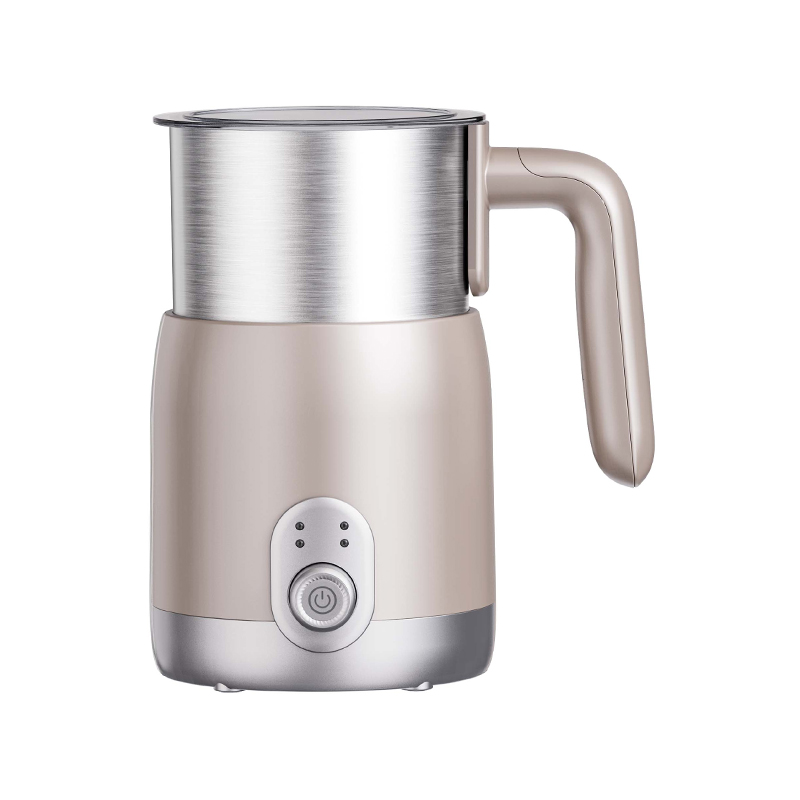 SEE more
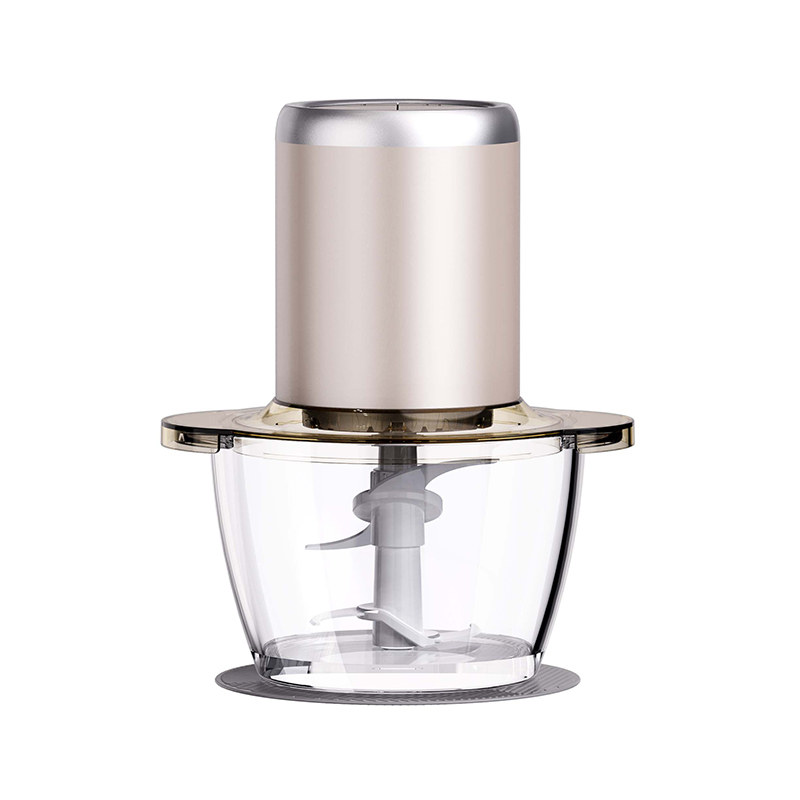 SEE more
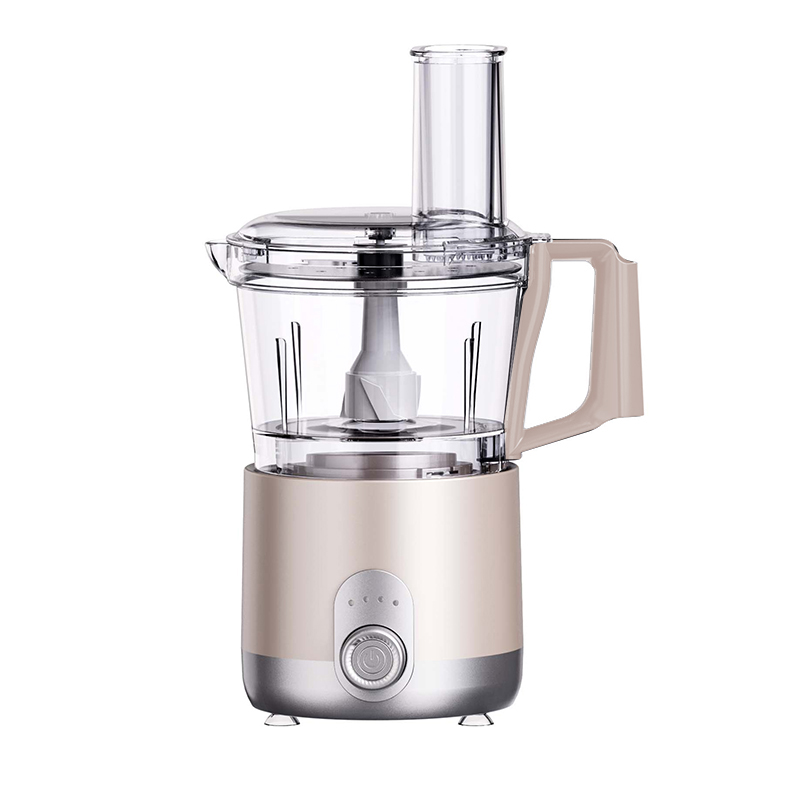 SEE more
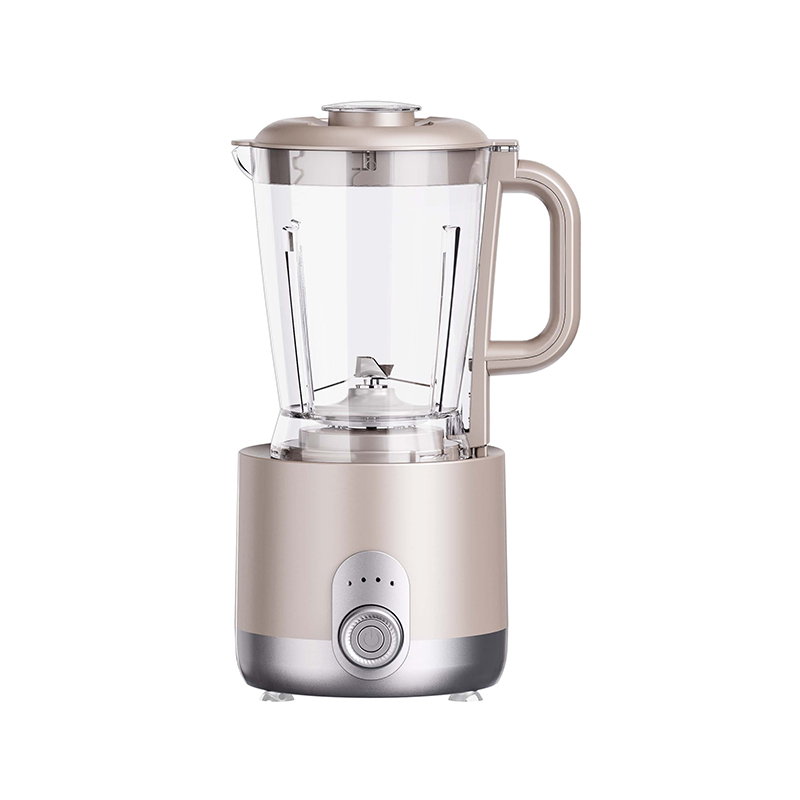 SEE more
 SEE more
 SEE more
 SEE more
 SEE more
 SEE more
 SEE more
 SEE more
 SEE more
 SEE more
 Leave a message
Copyright © Ningbo Longde Life Electric Appliance Co., Ltd.  Wholesale Portable Kitchen Appliance For Outdoor Use Manufacturers