

 English
 España
How to Choose the Best Cordless Portable Hand Blender for Industrial and Professional Use
 2026.06.22
 News
News
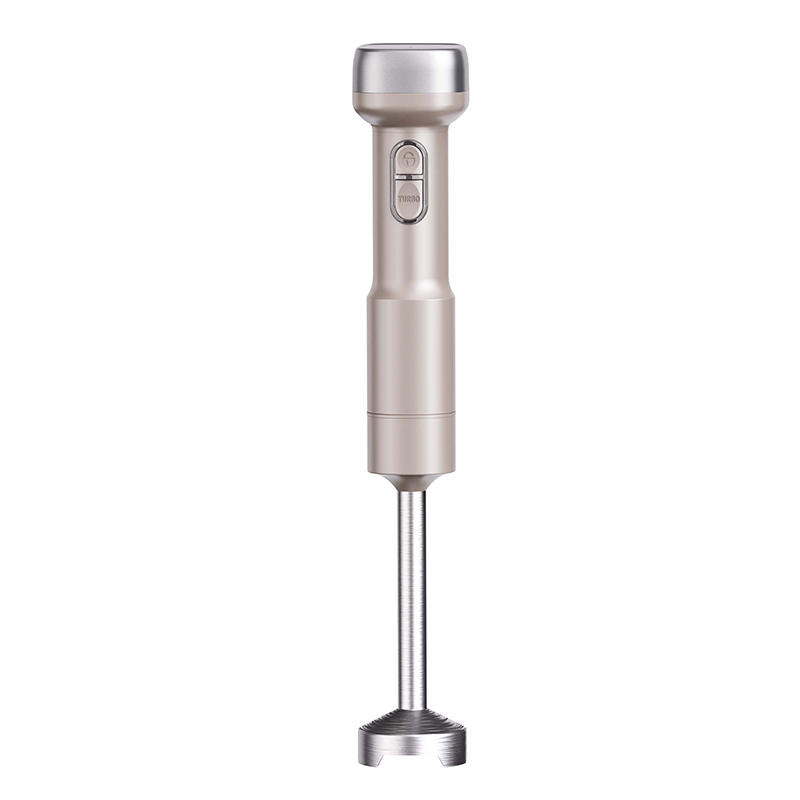
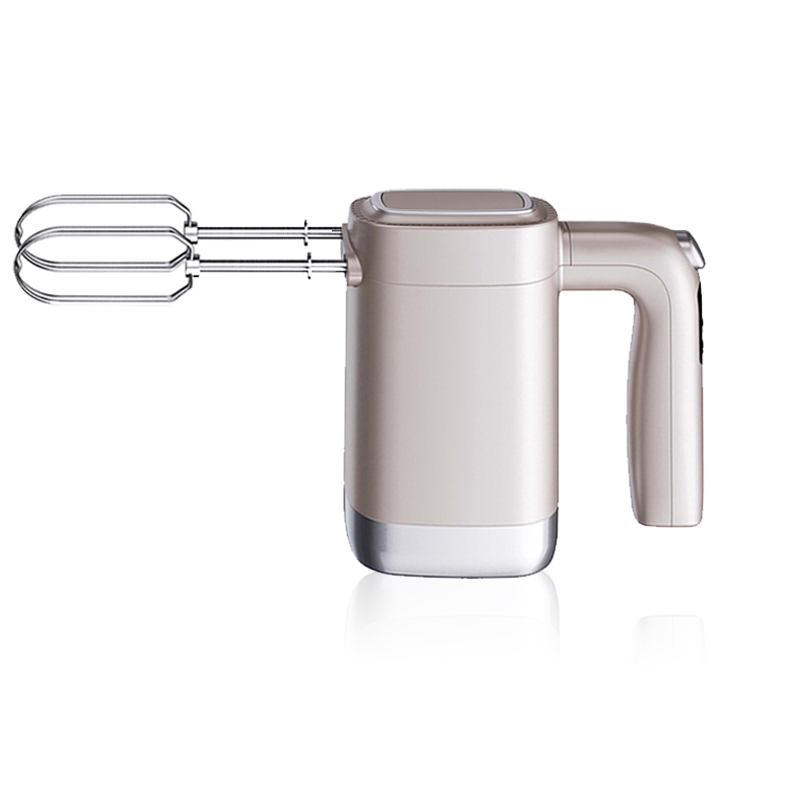
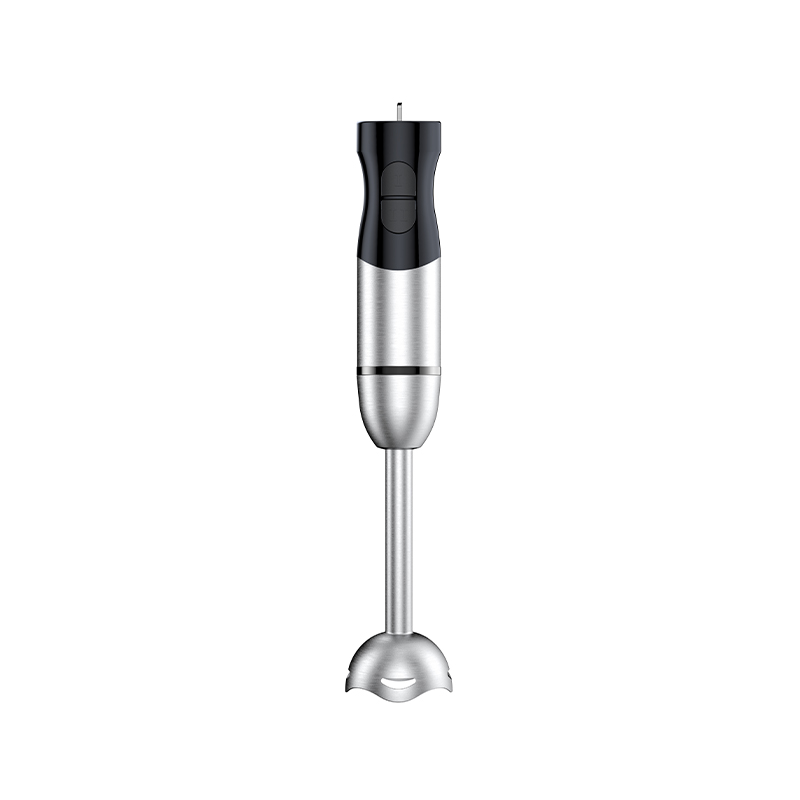
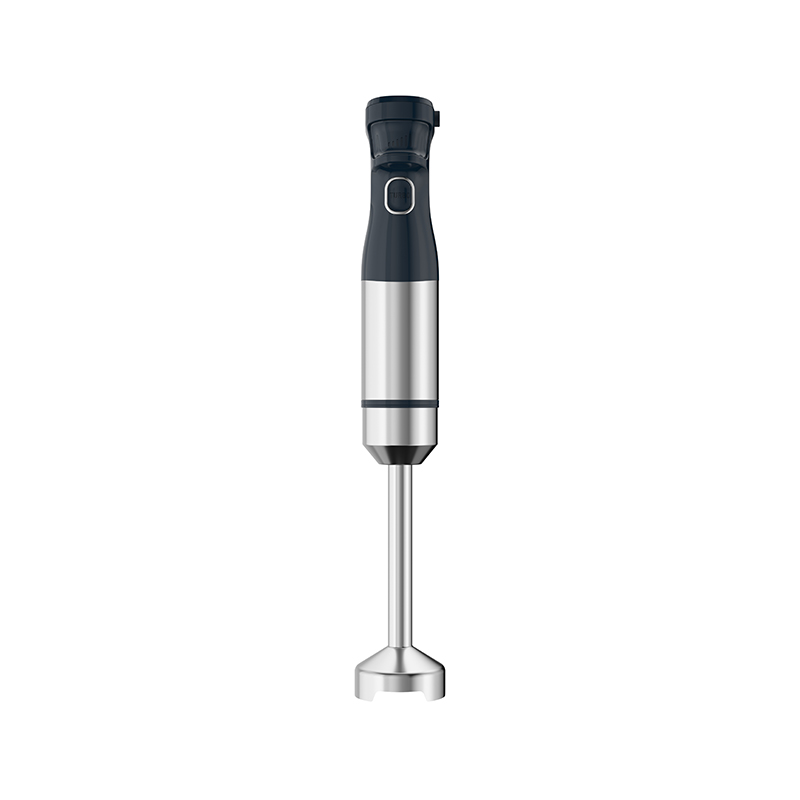
In modern industrial kitchen operations and refined cooking processes, the Portable Hand Blender has become a key piece of equipment for improving processing efficiency. Unlike traditional stationary mixers, electric mixer handheld devices demonstrate superior operational performance when handling various liquids and semi-solid ingredients due to their high flexibility and portability. For professional users pursuing standardized operating procedures, selecting a stable hand food blender not only optimizes operational steps but also ensures consistency in ingredient processing.
Technical Specifications and Power System Analysis
The core drive system determines the operational limits of a cordless handheld blender. High-performance motors typically use brushless DC designs to reduce friction loss and increase torque. In practical applications, the speed control of handheld portable blender devices is crucial.
Motor power: Generally between 150W and 300W, ensuring no speed decay under load.
Speed range: Supports adjustable speeds from 10,000 RPM to 18,000 RPM, adapting to materials of different viscosities.
Battery architecture: High-performance cordless rechargeable blender models generally use high-rate lithium-ion battery packs, supporting fast charging protocols to meet continuous operation requirements.
When handling high-density materials, the blade geometry of a portable handheld blender determines cutting efficiency. The use of a four-leaf blade design made of 304 stainless steel can effectively reduce vortex interference and achieve uniform material cutting.
Application Scenarios and Operational Norms
The hand held mini blender is widely used in laboratory sampling, chemical reagent mixing, and food processing fields. When in use, operators should pay attention to the immersion depth of the hand held juice blender. According to fluid dynamics principles, the blade head should be completely submerged below the liquid surface and maintained at a distance from the bottom of the container to prevent excessive suction or splashing.
For hand held cordless blender devices, power monitoring is key to ensuring continuous output. When dealing with complex materials, it is recommended to use pulse operation modes, i.e., "pulse-pause-pulse," to avoid motor overload. At the same time, the design center of gravity of hand blender portable devices is usually placed at the grip end, an ergonomic consideration that helps reduce operator fatigue during long-term operations.
Key Parameters and Performance Comparison Analysis
To evaluate equipment performance, the following technical comparison indicators can be referenced:
| Technical Indicator | Professional Portable Hand Blender | Standard Handheld Mixer |
| Rated Voltage | 11.1V - 14.8V | 5V - 7.4V |
| Blade Material | Medical Grade 316/304 Stainless Steel | Standard 201 Stainless Steel |
| Speed Control Logic | Multi-stage/Intelligent Load Sensing | Single/Dual Fixed Speed |
| Continuous Load Operation Time | Over 60 minutes | Within 15 minutes |
| Sealing Protection Rating | IPX7 | IPX4 |
As seen from the comparison above, professional models possess distinct advantages in motor torque stability, sealing performance, and material corrosion resistance. When selecting equipment, focus should be placed on the viscosity characteristics of the materials (e.g., high-viscosity emulsions, low-viscosity fruit pulps).
Equipment Maintenance and Performance Assurance
To ensure the long-term operational precision of a Portable Hand Blender, the core of daily maintenance lies in cleaning the blade assembly and inspecting motor bearings. Because electric mixer handheld devices involve high-speed rotation, any slight rotor eccentricity will lead to increased vibration. Therefore, when cleaning a hand food blender, it is recommended to detach it from the main unit and ensure the sealing ring at the interface is not worn.
During the use of a cordless handheld blender, if a significant drop in output speed is observed, check if the battery output voltage is stable and examine the stirring shaft for metal fatigue. Through standardized operations and regular preventive maintenance, the equipment can maintain high-standard output efficiency, meeting various high-requirement ingredient processing environments.
 SEE more
 SEE more
 SEE more
 SEE more
 SEE more
 SEE more
 SEE more
 SEE more
 SEE more
 SEE more
 SEE more
 SEE more
 SEE more
 Leave a message
Copyright © Ningbo Longde Life Electric Appliance Co., Ltd.  Wholesale Portable Kitchen Appliance For Outdoor Use Manufacturers