

 English
 España
Cordless Table Blender for Portable Kitchen Convenience
 2026.02.24
 Industry News
The way people prepare food at home is changing. Kitchens are no longer defined only by fixed countertops and wall outlets. As living spaces become more flexible and lifestyles more mobile, small appliances are adapting to match. Among these innovations, the cordless table blender has quietly carved out a meaningful place. It combines the stability and capacity of a traditional countertop blender with the freedom of battery-powered operation, making it a practical tool for both everyday cooking and spontaneous use.
A Shift Toward Flexible Kitchen Appliances
For years, blenders were tied to one constraint: proximity to a power socket. That limitation shaped how and where they could be used. In compact apartments, shared kitchens, RVs, or outdoor settings, cords often restricted placement and convenience. A cordless table blender removes that barrier.
Powered by rechargeable lithium batteries, these appliances operate without constant connection to electricity. Users can move them across the kitchen, place them on an island without worrying about cable length, or even take them outdoors for garden gatherings. This flexibility aligns with broader consumer expectations: devices should adapt to the user, not the other way around.
From an industry perspective, the rise of cordless appliances reflects increasing demand for autonomy, portability, and minimalist design. As open-concept kitchens and multi-functional spaces become more common, clutter reduction and clean aesthetics matter more than ever.
How a Cordless Table Blender Works
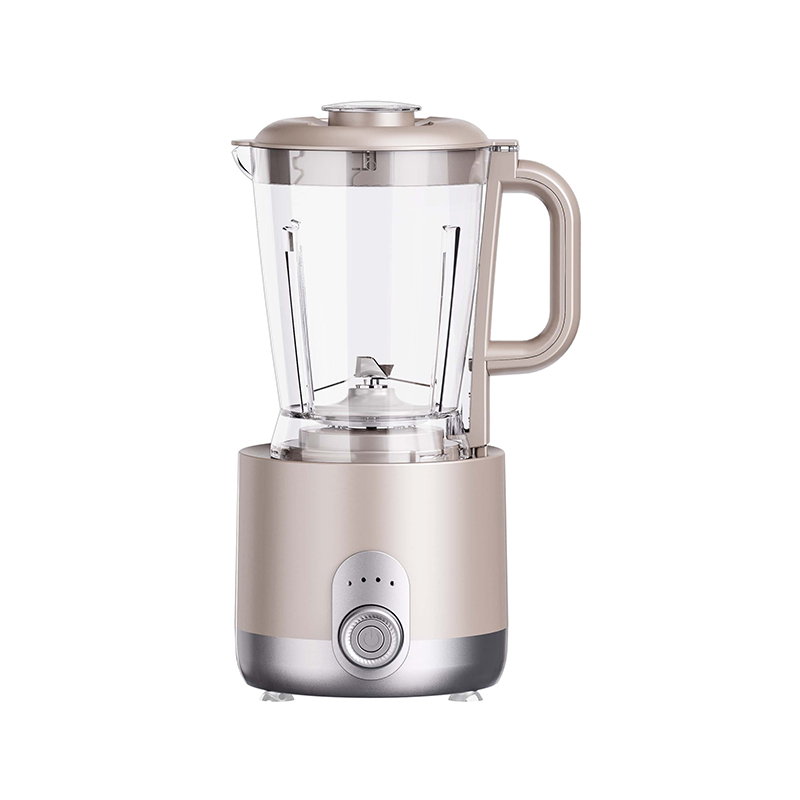
At its core, a cordless table blender includes three essential components: a rechargeable battery system, a motor unit, and a blending jar with integrated blade assembly. While the overall structure resembles traditional countertop models, the internal power source is the key differentiator.
Most cordless models rely on high-capacity lithium-ion batteries. These batteries are designed to deliver consistent torque to the motor while maintaining energy efficiency. Charging is typically handled through a detachable charging base or USB-C port, depending on the model. Once fully charged, the blender can perform multiple blending cycles before needing to recharge.
The motor is engineered to balance performance with energy conservation. Instead of drawing unlimited power from an outlet, it must operate within the battery’s capacity. Manufacturers address this by optimizing blade design, airflow cooling systems, and electronic speed controls. The result is a product capable of crushing ice, blending smoothies, and preparing sauces while remaining compact and portable.
Practical Applications in Everyday Life
The cordless table blender is not limited to one type of user. Its appeal spans multiple scenarios:
Small Kitchens and Apartments
In compact living environments, countertop space is valuable. Without a fixed cord, users can store the blender away and bring it out only when needed. It can be placed anywhere on the counter, not just near an outlet.
Outdoor and Travel Use
For camping trips, picnics, or RV living, access to reliable electricity may be limited. A fully charged cordless blender allows users to prepare fresh smoothies, protein shakes, or sauces without external power sources. This adds convenience and enhances the outdoor cooking experience.
Office and Studio Settings
Creative studios, shared offices, and small co-working spaces often lack traditional kitchen setups. A cordless table blender provides a quick way to prepare drinks or simple recipes without complicated installation.
Health-Focused Lifestyles
For individuals who prioritize fresh ingredients and homemade beverages, portability encourages consistency. Being able to blend a smoothie after a workout in the garage gym or on a patio removes friction from healthy habits.
Key Features to Evaluate
When assessing cordless table blenders, several technical and functional factors influence performance and user satisfaction.
Battery Capacity and Runtime
Battery capacity determines how many blending cycles can be completed per charge. Higher-capacity batteries generally support more powerful motors and longer runtimes. However, they may also increase weight. A balanced design ensures adequate power without sacrificing portability.
Motor Strength and Blade Design
A well-designed blade assembly reduces strain on the motor. Stainless steel blades with optimized angles improve efficiency, allowing smoother blends even with frozen ingredients. Consistent torque delivery is essential for uniform results.
Safety Mechanisms
Because cordless blenders contain rechargeable batteries, safety systems are critical. Overcharge protection, thermal cutoff functions, and secure lid-lock mechanisms prevent accidents and prolong product lifespan.
Ease of Cleaning
Removable jars and dishwasher-safe components significantly improve usability. Some models feature self-cleaning modes, where users simply add water and detergent and run a short cycle.
Build Materials
Durable materials such as BPA-free Tritan jars and impact-resistant housings contribute to longevity. High-quality construction supports repeated charging cycles and daily use.
Sustainability and Energy Efficiency
Cordless appliances raise questions about energy consumption and battery lifecycle. Compared to high-wattage traditional blenders, cordless models often use optimized motors that draw only the necessary power for specific tasks. This can reduce overall electricity consumption per use.
Rechargeable battery systems eliminate the need for disposable power sources. With proper maintenance, lithium-ion batteries can endure hundreds of charging cycles before performance gradually declines. Responsible recycling at the end of the battery’s lifespan further supports environmental considerations.
Manufacturers that focus on energy-efficient motors, durable components, and modular replacement parts are better positioned to meet modern sustainability expectations.
Market Trends and Product Innovation
The cordless table blender sits at the intersection of portability and performance. Ongoing product development emphasizes:
- Faster charging technologies
- Smart LED battery indicators
- Multi-speed digital controls
- Compact, space-saving silhouettes
- Noise reduction engineering
Some models are exploring integration with app-based monitoring systems, though this remains a niche feature. More commonly, brands prioritize mechanical reliability and intuitive controls over unnecessary complexity.
As battery technology advances, power output and runtime are likely to improve further. This could gradually narrow the performance gap between cordless and corded high-wattage blenders.
Considerations Before Purchase
While cordless table blenders offer clear advantages, they may not fully replace heavy-duty commercial models used for industrial food preparation. For tasks that require continuous blending over extended periods, corded appliances may still provide higher sustained output.
For most household tasks, however, cordless models deliver sufficient power and greater flexibility. Evaluating intended use, portion size, and blending frequency helps determine whether a cordless option aligns with specific needs.
The cordless table blender represents a practical response to evolving lifestyles. By combining rechargeable battery technology with efficient motor design, it delivers portability without sacrificing core blending performance. Whether used in a compact apartment, an outdoor setting, or a flexible workspace, it supports modern expectations of convenience and mobility.
As kitchen environments continue to shift toward adaptable and clutter-free designs, cordless appliances are likely to become more common. With thoughtful engineering and responsible manufacturing, the cordless table blender stands as a clear example of how everyday tools can evolve alongside changing habits.
 SEE more
 SEE more
 SEE more
 SEE more
 SEE more
 SEE more
 SEE more
 SEE more
 SEE more
 SEE more
 SEE more
 SEE more
 SEE more
 Leave a message
Copyright © Ningbo Longde Life Electric Appliance Co., Ltd.  Wholesale Portable Kitchen Appliance For Outdoor Use Manufacturers