

 English
 España
Is Cordless Table Blender or Blender Better for Your Kitchen Needs and Lifestyle
 2026.04.14
 News
News
Basic Definitions of Cordless Table Blender and Blender
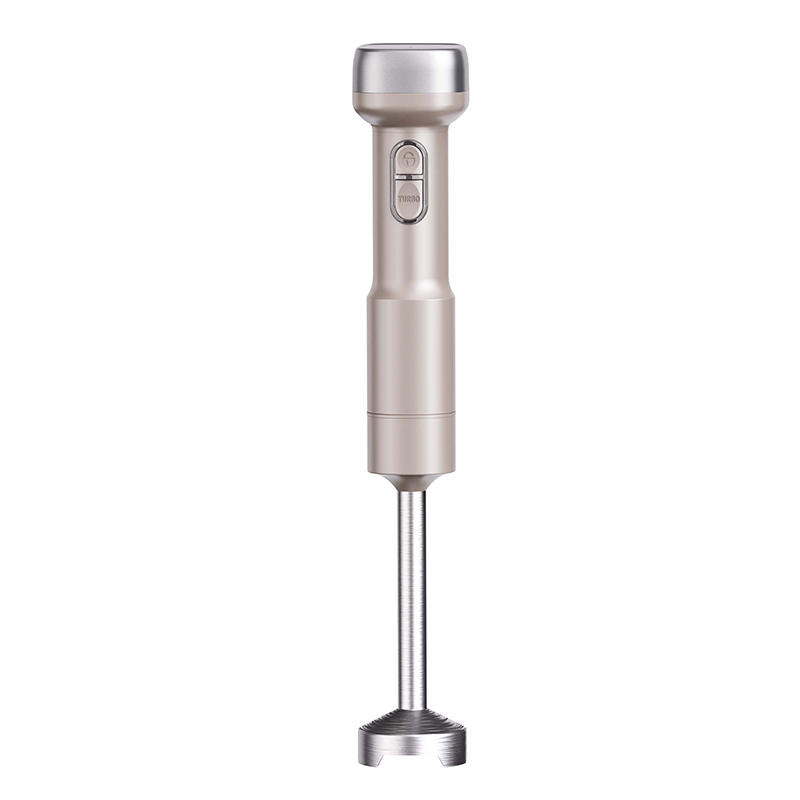
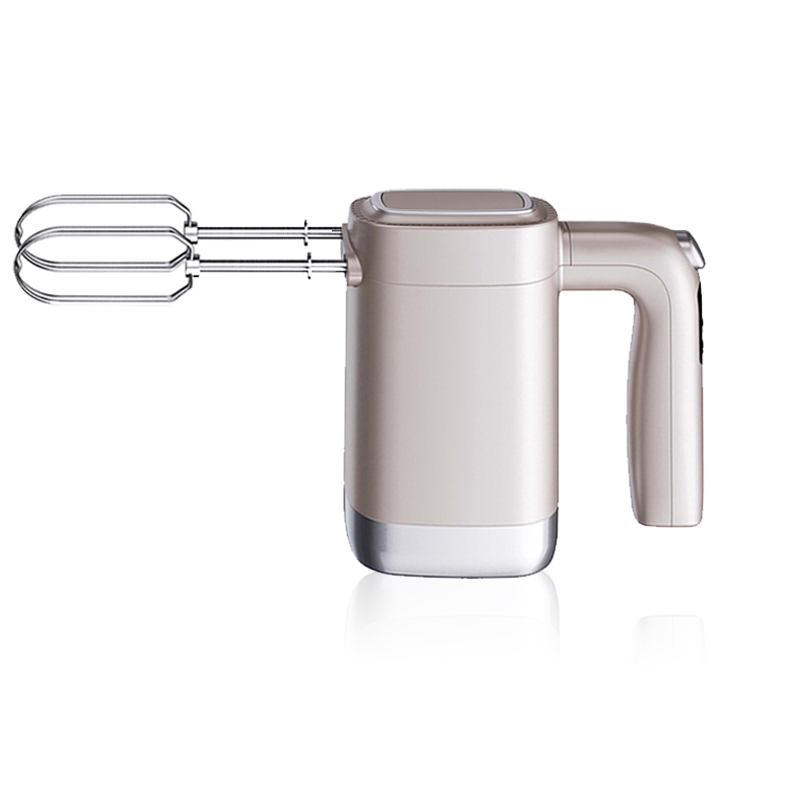
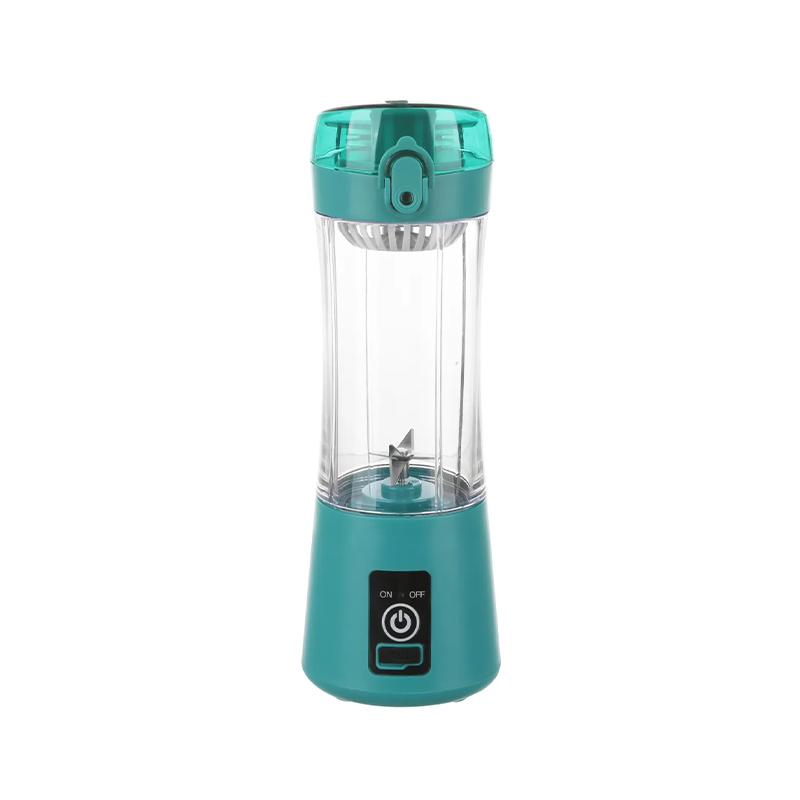
Cordless table blender represents wireless portable food processor powered by rechargeable batteries. Blender represents high-speed mixing equipment powered by electrical grid utilizing high-frequency beating breaking food cell walls. Both devices process food materials and mixing but feature obvious differences in operating principles and application scenarios.
Power and Mixing Capacity Differences
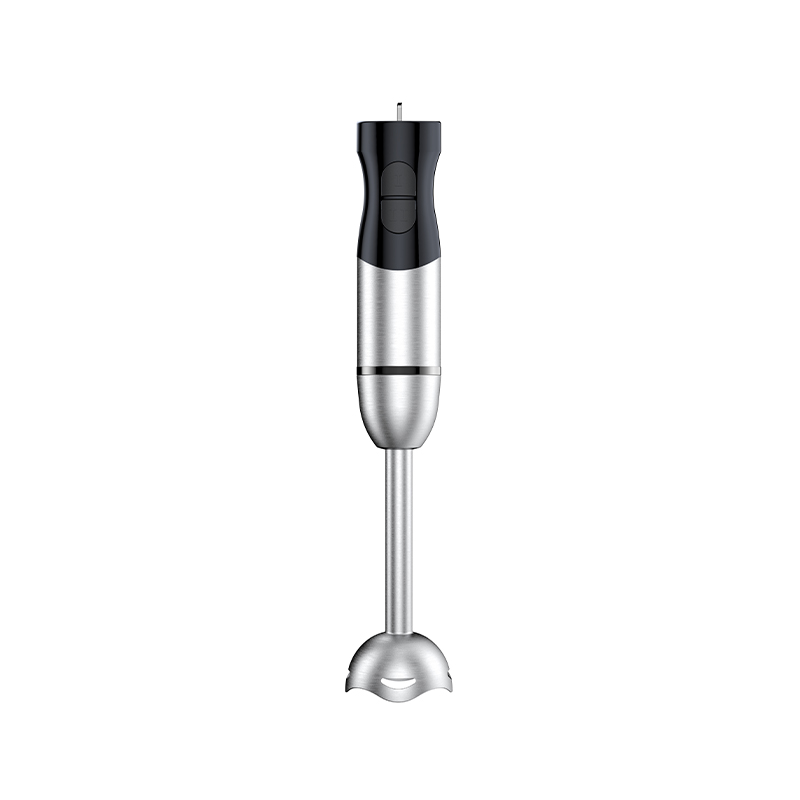
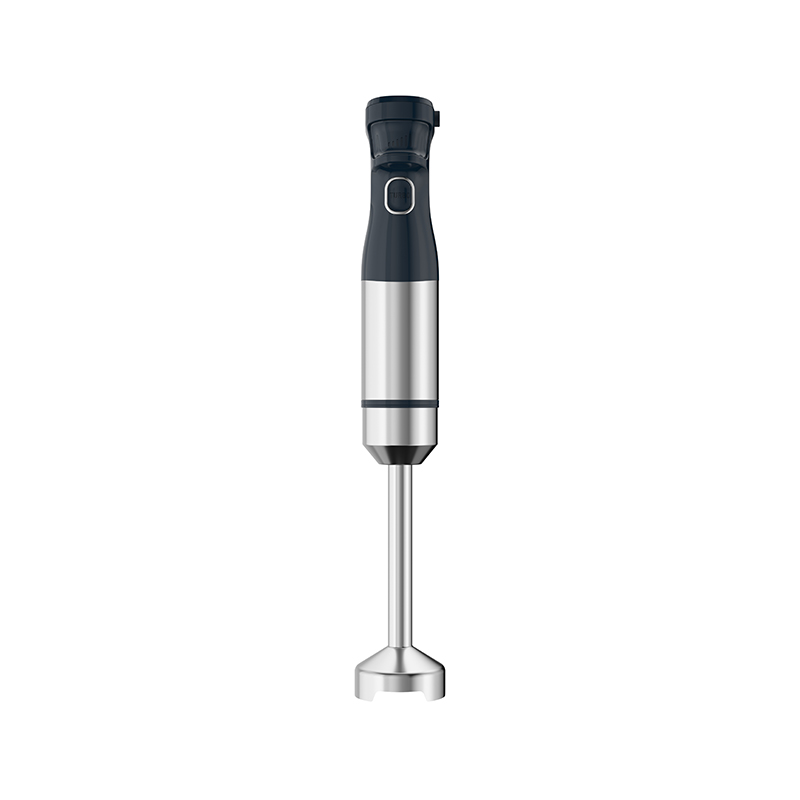
Blender power typically far exceeds cordless table blender. Blender power typically ranges 1000-2000 watts while cordless table blender power generally ranges 300-800 watts. Power differential directly causes mixing capacity differences. Blenders effortlessly mix hard materials including ice, nuts, grains. Cordless table blender may struggle processing such hard ingredients. For users pursuing optimal mixing results, blenders demonstrate obvious advantages.
Cordless Table Blender Portability Advantages
Cordless table blender's greatest advantage lies in portability. Requiring no power cord connection, cordless table blender operates anywhere including outdoors, offices, or travel settings. Such portability renders cordless table blender particularly suitable for scenarios requiring movement or flexible utilization. Blenders require fixed placement in powered locations with relatively low flexibility. For users prioritizing portability, cordless table blender represents superior choice.
Usage Duration and Battery Endurance
Cordless table blender battery endurance represents its primary limitation. Most cordless table blender single-charge endurance reaches 20-30 minutes completing multiple mixing tasks. Requiring extended continuous use rapidly depletes battery. Blenders face no such limitations, continuously operating with power grid connection. For scenarios requiring extended or frequent use, blenders clearly prove more suitable.
Price Cost Comparison
Cordless table blender pricing typically undercuts premium blenders. General cordless table blender pricing ranges 300-800 yuan while premium blender pricing potentially reaches 1000-3000 yuan exceeding. For budget-conscious consumers, cordless table blender represents more economical choice. Considering performance and durability, blender long-term investment value potentially proves superior.
Application Scenario Suitability
Cordless table blender and blender suit different scenarios. Cordless table blender suits simple mixing tasks including soft fruit combination, juice production, liquid mixing. Blenders suit complex food processing tasks including soy milk production, nut butter creation, soup preparation. For household cooking scenarios, blenders provide more possibilities and superior results.
Noise Level Differences
Cordless table blender noise typically undercuts blender. Due to reduced power, cordless table blender operating noise proves relatively low approximately 70-80 decibels. Blender noise proves greater potentially reaching 80-90 decibels. For noise-sensitive users, cordless table blender potentially represents superior choice.
Mixing Result Quality Comparison
Blender mixing results typically prove more uniform and thorough. High power and speed enable blenders achieving ultra-fine food particle grinding even reaching nanometer-level refinement. Such fine mixing thoroughly breaks cell walls releasing maximum nutrition. Cordless table blender while performing mixing proves less thorough than blenders. For users pursuing maximum nutrition, blenders clearly represent superior choice.
Maintenance and Cleaning Difficulty
Cordless table blender typically proves easy cleaning. Simple structure renders brief cleaning duration. Blenders while cleanable feature more complex structure potentially leaving certain hard-to-reach sections improperly cleaned. From long-term maintenance perspective, blender advanced manufacturing renders superior durability potentially lowering long-term maintenance costs.
Durability and Service Life
Cordless table blender service life typically faces battery influence. With increasing usage, battery capacity gradually declines. After 3-5 years, cordless table blender potentially requires battery replacement or entire device replacement. Blenders properly maintained demonstrate 10+ year service life. Long-term perspective reveals blender obviously superior durability.
Usage Simplicity Assessment
Cordless table blender usage proves relatively simple with easily learned basic operations. Blenders while uncomplicated feature more functions with advanced feature operation potentially requiring learning. For consumers pursuing simple ease-of-use, cordless table blender may prove more suitable.
Special Function Differences
Blenders typically feature more special functions. Including automatic heating, constant temperature preservation, timing functions enabling more complex culinary task completion. Cordless table blender features remain relatively simple essentially comprising mixing functionality. Such function difference determines equipment application breadth.
Environmental Impact and Sustainability
From environmental perspective, cordless table blender utilizing battery energy proves completely pollution-free. However, regular battery replacement generates electronic waste. Blenders utilizing grid electricity rely on electricity source cleanliness. Long-term environmental impact analysis reveals each possesses advantages and disadvantages.
Applicable Demographic Distinction
Cordless table blender suits consumers emphasizing portability and economy particularly young people or frequently traveling individuals. Blenders suit consumers pursuing optimal mixing results with adequate budgets particularly health-conscious households. Both devices possess respective target user demographics.
 SEE more
 SEE more
 SEE more
 SEE more
 SEE more
 SEE more
 SEE more
 SEE more
 SEE more
 SEE more
 SEE more
 SEE more
 SEE more
 Leave a message
Copyright © Ningbo Longde Life Electric Appliance Co., Ltd.  Wholesale Portable Kitchen Appliance For Outdoor Use Manufacturers