

 English
 España
What to look for when buying a milk frother
 2026.10.09
 News
News
Picture a typical morning: you pull a decent espresso shot, then whisk milk by hand and watch the bubbles collapse before they reach the cup. That disappointing foam is a common reason people start searching for a milk frother. No single model suits every kitchen, and the most expensive one is rarely the best match. The right frother fits the drinks you make, the amount of milk you use, the space in your kitchen, and the time you will spend cleaning it. This guide walks through what to look for when buying a milk frother, from the basic type decision to materials and safety marks.
Choose the frother type that fits the drinks you actually make
The first and most important decision is whether you need a handheld wand, a corded countertop jug, or a cordless jug. Countertop models give the most consistent microfoam and built-in heating; handheld models are the cheapest, lightest, and most flexible.
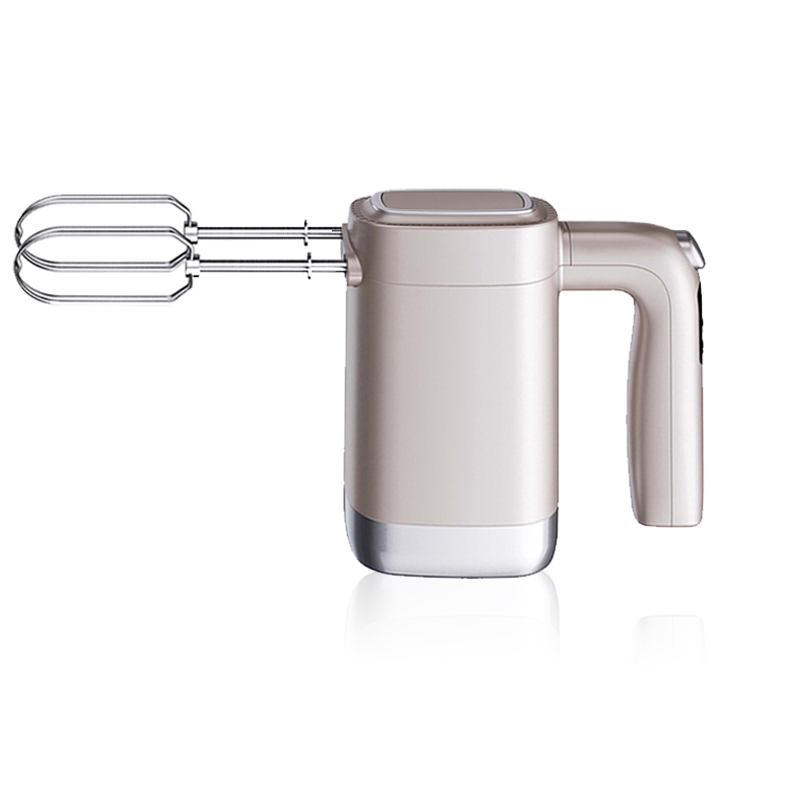
A handheld milk frother is a battery-driven wand with a whisk attachment that you move manually in any mug. It produces usable foam quickly, is ideal for one cup at a time, and travels well. The trade-off is that most handheld models cannot heat milk, so you must warm the milk separately for a cappuccino or flat white.
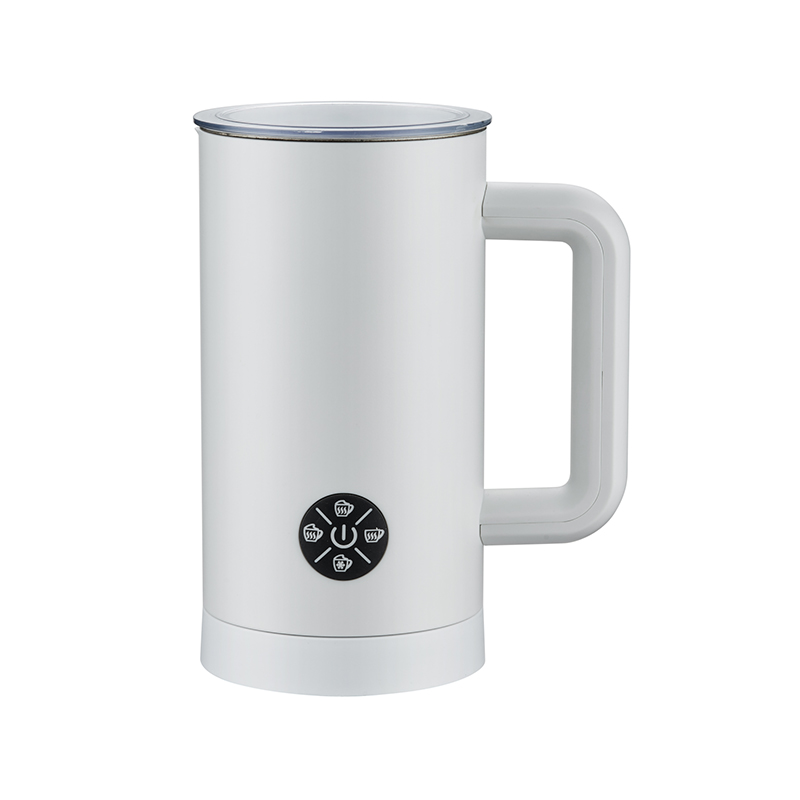
A countertop milk frother works automatically in a dedicated jug: it heats and whisks the milk at the same time, follows a fixed cycle, and produces a denser, silkier foam than most handheld wands can manage. It usually also includes a cold-foam setting for iced coffee. The cost is counter space, a few extra minutes per batch, and more parts to wash. A cordless jug-style frother keeps the jug and automatic whisk cycle but removes the base and the cord, which helps if your sockets are far from the coffee station.
Check the foam quality and the whisk design
Foam quality is the real test of a frother. Good milk foam for espresso drinks is dense, glossy, and made of fine bubbles; poor foam is dry, coarse, and falls apart in seconds. When you swirl the jug or lift the whisk, the foam should hold its shape and pour smoothly into the espresso.
The whisk disc on a countertop model controls the texture. A disc with fine ridges and the correct gap between the disc and the jug bottom creates a strong vortex and smaller bubbles. Handheld wands with a fine spring coil generally perform better than those with a single thick ring, because the greater contact surface breaks the milk into finer foam.
Another practical test is to try the frother with the milk you normally use. Whole milk creates a creamier microfoam, while low-fat milk produces larger bubbles. Plant-based drinks need enough protein and stabilizer to foam; barista-style oat and soy drinks behave predictably. Ask the retailer if you routinely use only one type of milk.
Decide how much heating flexibility you need
Heating matters more than most first-time buyers realize. The ideal temperature for steamed milk in espresso drinks is between 55°C and 65°C, hot enough to hold comfortably in a mug but low enough to avoid scalding and the thin skin that forms on overheated milk. A frother that only aerates at room temperature forces you to heat the milk first, which adds time and risks a microwaved-milk flavor.
Corded countertop frothers usually include a hot cycle that heats and froths in one step, plus a cold cycle that produces cold foam for iced coffee or cold brew. Some cordless models offer a heating mode, but cheaper models are aeration-only, so check the product description rather than assuming every jug model heats. If cold foam is something you will make often, that single feature is worth paying for.
Match the capacity to your daily milk volume
Capacity is easy to overlook and hard to fix later. A jug with a large maximum fill line means more milk to heat and more to clean; a jug that is too small means no second drink in one batch. Look for the minimum and maximum fill markings before you buy and compare them with the amount of milk you actually froth.
The numbers have practical consequences. Above the maximum line, milk can spill over the rim during whisking. Below the minimum line, the whisk disc may not be fully covered, the vortex weakens, and the foam collapses. For a single flat white, a jug that asks for at least 150 ml is workable but leaves leftover milk; if you prefer short drinks, a smaller jug or a handheld wand is more comfortable.
Jug shape also matters: a wider, rounded jug creates a stable vortex and rinses clean, while a tall narrow jug can limit whisk clearance and trap dried milk.
Corded or cordless: let the layout of the room decide
Power source is a convenience issue and a performance issue at the same time. A corded countertop frother delivers steady heating power and a consistent whisk speed, but it needs a socket within reach and permanently occupies a spot on the counter. A cordless frother removes those two constraints: you take it to the table, the living room, or even outside, and you charge it when it returns to its dock.
The trade-offs are battery capacity and charging time. If you make one or two drinks a day, a rechargeable frother can stay convenient for weeks between charges. If you expect heavy daily use, a corded model eliminates the risk of starting the day with an empty battery. If your kitchen is already moving toward cordless small appliances, a cordless frother fits the same pattern.
Inspect the materials, safety, and build quality
Every surface that touches milk should be food-safe. The jug interior is most often stainless steel, plastic, or a coated metal. Stainless steel is durable and dishwasher-safe, but the exterior gets hot on non-insulated jugs. Plastic is light and stays cool, but tends to absorb coffee and milk odors over time. Non-stick coatings are the easiest to clean, yet a scratched or flaking coating is a food-safety concern and a sign of short product life.
Check for regional safety marks before purchase: CE for Europe, ETL or UL for North America, RoHS for restricted substances, and CCC for the Chinese market. These marks mean the product has passed at least one recognized safety test. When you buy a finished unit online, the listing should show the mark clearly; when you source from a supplier for a retail line, certificates should be part of the documentation. This manufacturer background page is one example of how a production partner can demonstrate its quality-management credentials.
Cleanability is a deciding factor, not a detail
Milk residue dries into a sticky film that is hard to scrub if the parts do not come apart. Before you buy, confirm that the jug, lid, and whisk disc can be detached. Models with an open jug and a removable whisk take about a minute to rinse; models with a fixed motor base and hidden crevices require more effort and eventually develop a sour smell.
Non-stick interiors and dishwasher-safe parts are the two features that make daily cleaning realistic. The trade-off is that abrasive sponges and metal utensils will damage the coating, so check the care instructions as carefully as you check the price.
Understand what the price actually covers
Budget frothers can foam milk, but they usually cut costs in areas that affect the experience: heating capacity, battery life, coating quality, and the precision of the fill markings. Mid-range and premium models tend to differ less in foam quality and more in durability, noise, and extra modes such as separate hot and froth cycles.
A reasonable strategy is to identify the features you need, then buy the cheapest frother that includes all of them. Paying more for a brand name is rarely justified if the basic criteria are met; saving money on a frother without a heating cycle is rarely a bargain if you mainly drink hot milk drinks.
Milk frother types at a glance
Compare the main frother types with the criteria above. Figures are typical retail ranges and vary by brand and market.
| Type | Heating | Foam texture | Capacity per batch | Cleaning | Typical price |
|---|---|---|---|---|---|
| Handheld wand | No | Medium, depends on technique | Any mug up to about 250 ml | Rinse whisk | $10-$40 |
| Corded countertop | Yes | Consistent microfoam | 200-300 ml | Detachable jug and disc | $40-$100 |
| Cordless countertop | Some models | Consistent microfoam | 200-300 ml | Detachable jug and disc | $50-$120 |
Final checklist before you order
- Confirm the frother type matches how and where you make coffee.
- Check whether the model includes a heating cycle if you drink hot milk drinks.
- Compare the jug fill lines with the milk volume you use per drink.
- Look for fine whisk geometry that can produce dense microfoam.
- Decide between corded reliability and cordless portability by checking your sockets and counter space.
- Verify that milk-contact surfaces are food-safe and that the product has the required safety marks for your region.
- Make sure the jug, lid, and whisk detach for cleaning.
- Set a budget based on the features you need, not on the brand position.
PREV: Is It Worth Getting a Milk Frother? A Practical Buyer's Guide for Home Baristas
NEXT:It is the last article
NEXT:It is the last article
 SEE more
 SEE more
 SEE more
 SEE more
 SEE more
 SEE more
 SEE more
 SEE more
 SEE more
 SEE more
 SEE more
 SEE more
 Leave a message
Copyright © Ningbo Longde Life Electric Appliance Co., Ltd.  Wholesale Portable Kitchen Appliance For Outdoor Use Manufacturers