

 English
 España
Why Choose a Cordless Milk Frother for Daily Use
 2026.03.10
 Industry News
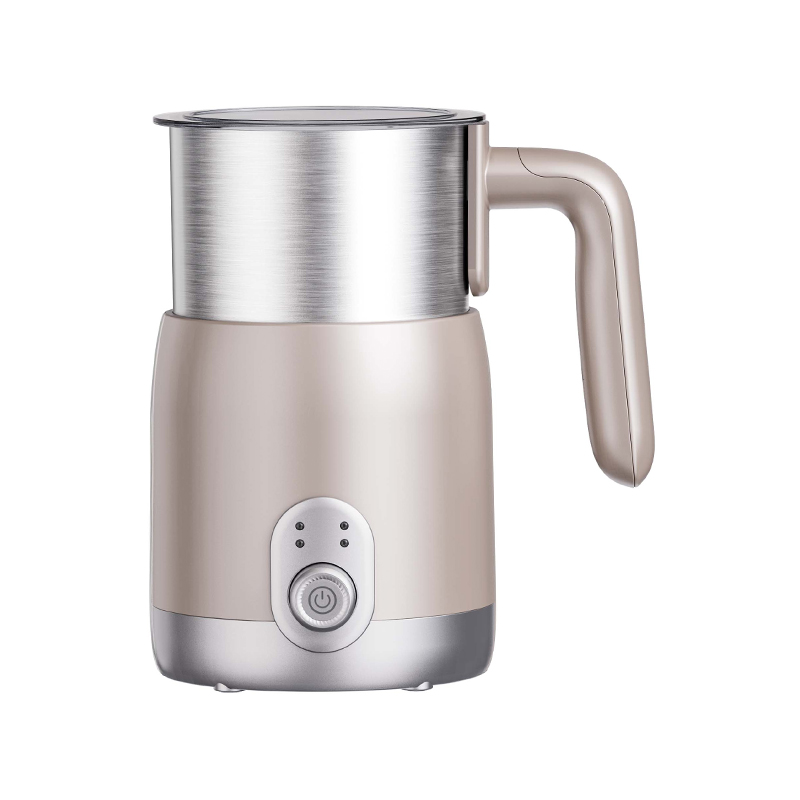
A simple countertop tool can remake the beginning of the day for people who drink espresso, drip coffee, or hot chocolate. A compact, battery-powered device that whips milk into foam on the spot removes a lot of the small hassles that stop people from making a nicer cup at home. It fits in a drawer, charges by USB, and makes a single cup of textured milk in under a minute. For people who value convenience and small upgrades to daily habits, that quick improvement is meaningful.
Why this Cordless Milk Frother matters is practical more than fanciful. Many of us like café drinks but dislike the setup and cleanup. A small whiskhead and a single cup deliver the tactile benefits of a frothed latte without the footprint of a full espresso rig. For office kitchens and hotel rooms, its portability and lack of a permanent cord are what put it into actual use rather than becoming another appliance that gathers dust.
If you're thinking about a purchase, the real value shows up in ease of use, reliability across many milks (dairy and non-dairy), and maintenance that doesn't demand special tools. Below I explain how people use these devices, what features make a difference, how to care for a unit so it lasts, and a few tips for getting café-style results at home.
Everyday ways people use a small frothing device
Beyond the obvious cappuccino or latte, the device is flexible. People whip up frothed milk for creamy hot chocolate, make sparkling cold foam for iced coffees, warm and froth plant-based milk for matcha lattes, and even create creamy soups for a finishing swirl. The tool works for mixing small quantities of cream into drinks and can be used to emulsify simple dressings when a whisk isn't at hand.
One common pattern: single-serve convenience. Instead of heating a whole saucepan of milk, you warm the right amount in a cup or mug, whisk for a few seconds, and the result is creamy texture rather than plain warm milk. That's appealing for lighter households or offices where only one or two people regularly want textured drinks.
A second pattern: on-the-spot service. If you host or run a small pop-up, portable frothers are useful because they move where the drink is being prepared. No need to run to a back counter for a steam wand. That mobility makes the serving line faster and keeps the focus on customer interaction.
What to look for when choosing one
Battery life and charging method are top of mind for many buyers. Models that charge via USB-C are convenient for travel and office use, as they can use the same cables as phones and power banks. Look for a clear battery indicator or an easy way to tell when a recharge is needed. For daily home use, a unit that manages several single-serve frothed drinks on one charge is usually sufficient.
Whisk head design matters. A coil or ball whisk tends to produce a dense foam quickly, while a simple agitator might be faster to clean but yield a lighter froth. Stainless steel parts stand up to washing better than cheap coated alternatives, and a detachable whisk simplifies cleaning.
Build and feel are important. Rubberized grips reduce slips when your hands are warm or damp, and a button placement that works with one hand makes the operation smoother. A splash guard or a shallow cup to minimize drips is a nice addition, especially when frothing at the edge of a mug.
Durability and spare parts count, too. If gaskets or whisk heads are replaceable, the device will last longer without needing to be replaced entirely. Batteries degrade with use; units that allow battery replacement or offer long warranty coverage are worth considering.
Using it well: a few practical tips
Temperature and technique affect outcome more than you might expect. Start with milk heated to around 60–65°C (about 140–150°F) for warm beverages; hotter milk scalds and doesn't accept foam as well. For cold foams, use chilled milk and blend briefly to trap air without warming it.
Different milks behave differently. Whole milk yields thick, creamy foam because of its fat content. Low-fat and many plant-based milks foam differently: oat milk and barista blends tend to mimic dairy better than almond milk. For non-dairy options, slightly warmer temperature and short bursts of whisking help create a stable foam.
Technique: hold the whisk near the surface for airy foam, or push it deeper for microfoam that integrates smoothly into espresso. For a layered latte look, start by frothing a bit to generate a light foam, then spoon the foam over espresso so the glass keeps a distinct top layer.
Pulse rather than hold down the button continuously when wrestling with stubborn chunks or making cold foam from thicker milk. That prevents overheating and prolongs battery life. If the whisk bogs down, lift and stir to redistribute the milk, then continue with short pulses.
Care and cleaning: keep it in service
Cleaning matters. Quick rinses after use and occasional gentle washes keep seals and whisk assemblies fresh. Most coils and whisk heads come off easily; wash them by hand in warm water with a mild detergent. If the manufacturer allows it, you can occasionally run the part on the top rack of a dishwasher, but check the manual — heat can affect plastics and gaskets.
Dry seals thoroughly before reassembly. Moisture trapped in the handle or the battery compartment invites corrosion over time. If the whisk assembly shows discoloration or food residue buildup, a soak in a mild vinegar solution followed by a thorough rinse usually clears it.
When not in frequent use, store the whisk head detached and dry. Batteries prefer partial charges for long-term health; a storage charge of around 40–60% is better than leaving the device fully charged or fully depleted for months.
Common problems and how to fix them
If foam quality deteriorates, first check the milk. Slightly warmed milk that's fresh yields better foam than older milk. Second, clean the whisk assembly: residue can coat the whisk and prevent air capture. Third, inspect seals for wear — a loose or damaged gasket reduces whisk speed and causes sputtering.
If the unit stops charging, try an alternate cable and adapter to rule out cable failure. Clean the charging contacts with a dry cloth. If the issue persists, consult the warranty and the supplier support; many battery-related problems are covered during the initial warranty period.
Buying guide: match features to use
If your aim is travel and mobility, prioritize compact size, secure travel lids, and USB compatibility. For office use, choose a model with quiet operation and a simple cleanup routine. For homes where foamed dairy is a daily ritual, look for robust whisk assemblies and a model that supports gentle speed control for microfoam.
Price is not the only signal of value. An affordable unit with replaceable parts, good user feedback, and a reasonable warranty can outlast a cheap, sealed model. Conversely, an expensive model with proprietary chargers and hard-to-find spare parts can be costly over its life. Balance cost with support and maintenance expectations.
Recipes and quick uses beyond coffee
Here are a few practical uses that extend the device's usefulness:
- hot chocolate: warm milk, short burst to froth, then stir in chocolate for a silky top.
- matcha latte: whisk matcha and a small amount of hot water first, add warmed milk, and froth to combine.
- cold foam for iced coffee: chilled milk and short pulses yield a light, billowy foam that sits on top of iced espresso.
- creamy soups: use the frother to finish a small bowl of blended soup for a more velvety texture.
- salad dressings: emulsify oil and vinegar with herbs for a single portion.
These quick wins make the device more than a single-use gadget — it becomes a multi-use tool that earns its spot on a countertop or in a bag.
Storage and placement guidance
Keep the unit somewhere convenient. A drawer or a small shelf near your beverage station is ideal so the habit forms naturally. Avoid humid locations and direct sunlight; both degrade plastics and can damage seals. If you travel with the unit, store the whisk head in a small wrap or case to avoid bending or damage.
Sustainability and repair
Choose models that provide spare parts, and avoid sealed devices where batteries or wear parts cannot be replaced. Recycling old batteries and following local guidelines for electronic waste disposal is important. If the manufacturer offers a take-back program or clear guidance for disassembly, that helps reduce the device's environmental footprint.
Safety and regulations
Basic safety expectations are standard: look for models with interlocks that prevent operation when the whisk isn't properly attached, and for housings that protect the battery from moisture. Avoid using the device in unstable environments or with cracked cups. If you're selling in multiple markets, ensure the model has relevant certifications and complies with local electrical safety standards.
Branding and customer expectations
Customers value clarity in what the device does and does not do. Communicate use cases honestly: it excels at small-scale foaming and quick textures, not heavy-duty mixing or ice crushing. Provide clear cleaning guides, spare part lists, and warranty details up front. That transparency builds trust and reduces returns.
How to teach customers to get café-style results
Provide simple routines: heat to right temperature, choose suitable milk for desired foam, and use short pulse sequences. Videos that show hand angle, depth of whisk, and timing are especially helpful; customers often get immediate benefit from seeing the motion rather than reading about it. Offer starter recipes and troubleshooting clips to reduce friction.
Practical FAQ for buyers
How long does a charge last? Typical units handle several one-cup foams per charge, but check the spec for cycles and estimate by use. Battery life depends on the duration and intensity of use.
Can it handle non-dairy milk? Yes, but results vary. Oat and barista almond milks often foam more reliably than plain almond. Soy also foams reasonably well. Try slightly warmer temperatures for plant milks.
Can it be used for dressings? Yes; short runs emulsify oil and acid into a quick single-serve dressing. Use a small container to avoid splashing.
Is it dishwasher safe? Many whisk heads are; check the manual. Hand-washing is safe and preserves seals longer.
A small, portable frothing tool changes how people approach a cup of coffee. It reduces the friction of better home beverages, supports mobility for travelers and office workers, and fits easily into small living spaces. With a few simple habits — correct temperature, short pulses, quick cleaning — anyone can get café-friendly textures without complicated equipment. If you make textured drinks regularly, adding a compact whisk to your routine is an easy upgrade that pays off every day.
 SEE more
 SEE more
 SEE more
 SEE more
 SEE more
 SEE more
 SEE more
 SEE more
 SEE more
 SEE more
 SEE more
 SEE more
 SEE more
 Leave a message
Copyright © Ningbo Longde Life Electric Appliance Co., Ltd.  Wholesale Portable Kitchen Appliance For Outdoor Use Manufacturers