

 English
 España
Common Problems with Milk Frothers and How to Fix Them: A Manufacturer's Guide
 2026.08.31
 News
News
You press the button, the whisk spins, the milk warms up - and a minute later your cappuccino is topped with flat, big-bubbled milk instead of the dense microfoam you were promised. If that has happened to you more than once, here is the reassuring news: nearly every recurring milk frother problem falls into one of five buckets - the wrong milk, the wrong technique, residue buildup, power failure, or weak construction. Identify the bucket and the fix is usually quick. Better still, most of these failures never need to happen at all, provided you know what causes them before you buy.
| Problem | Most Likely Cause | Quick Fix |
|---|---|---|
| Weak or no foam | Low-fat milk, missing whisk, jug overfilled | Use whole milk, seat the whisk fully, respect the max line |
| Foam collapses in seconds | Milk overheated past roughly 70°C / 158°F | Stop heating at 60-65°C; start with cold milk |
| Burnt milk smell | Residue baked onto the heating plate | Rinse right after use; soak, never scrape |
| Frother stops mid-cycle | Low battery or dirty charging contacts | Recharge fully; wipe contacts with a dry cloth |
| Sour odor or off taste | Milk film feeding bacteria | Rinse after every use; deep clean weekly |
Weak or No Foam: Start With the Milk, Not the Machine
Before blaming the appliance, look at what you poured into it. Foam is a network of milk proteins trapping air, and it depends heavily on fat and protein content. Whole milk at around 3.25% fat produces the most stable, creamy foam. Skim milk whips into large, dry bubbles that look impressive for a moment and then collapse back into liquid. Alternative milks are the least predictable of all: standard oat and almond drinks often refuse to hold any structure unless you buy versions labeled "barista," which contain added stabilizers for exactly this purpose.
Temperature matters too. Cold milk straight from the refrigerator, around 4-7°C, gives proteins more time to wrap around air before the foam sets. Milk that has sat out or been pre-warmed froths poorly and tastes flat.
Then check the hardware. Many electric jug frothers ship with two attachments - a spring whisk for foaming and a smooth one for heating only. Fitting the wrong one, or not pushing the whisk fully onto the motor shaft, produces the exact complaint of "it heats but does not froth." Filling matters as well: milk above the max line leaves no headspace for foam to expand, while too little milk can sit below the whisk's working range.
Overheating: Where Foam Collapses and Milk Scorches
Milk proteins begin to denature around 65°C (149°F). Push past roughly 70°C (158°F) and the foam structure breaks down, sweetness fades, and overheated milk can develop a flat, slightly cooked taste. This is why baristas heat to temperature and never beyond it, and why a frother with no temperature control struggles to deliver repeatable results.
Overheating has a second cost: scorching. Milk that boils onto a heating plate leaves a thin baked film that is hard to remove, insulates the plate, and eventually burns into every batch. Unregulated heating elements are the usual offender; an automatic cut-off near 60-65°C prevents the problem and protects the interior coating at the same time.
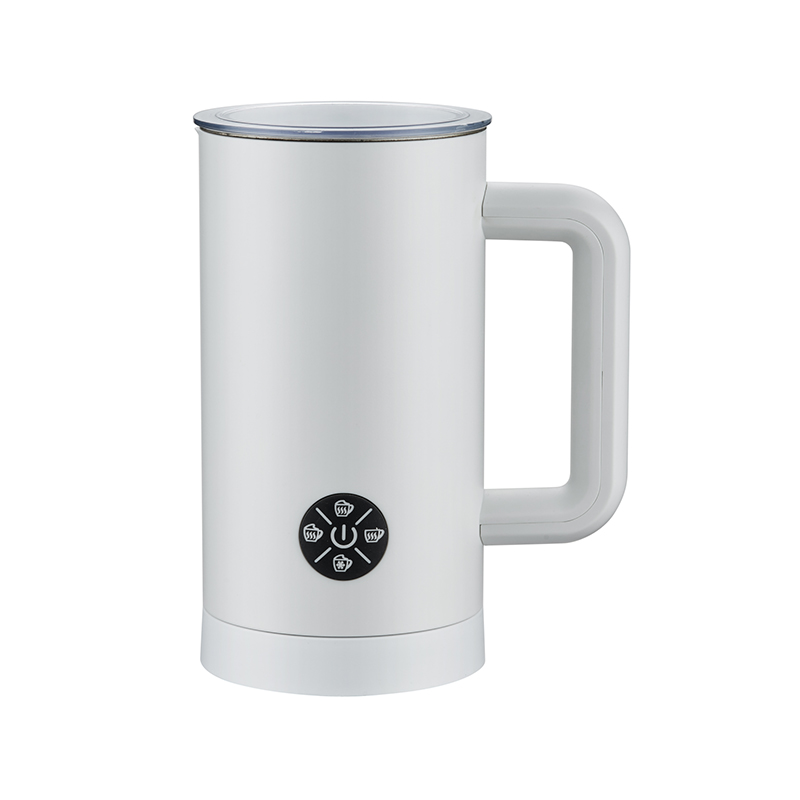
Corded jug-style frothers with a built-in thermostat handle this best for daily home use - one vessel heats and froths, then shuts off by itself. Our LD-6803 corded model follows exactly this approach.
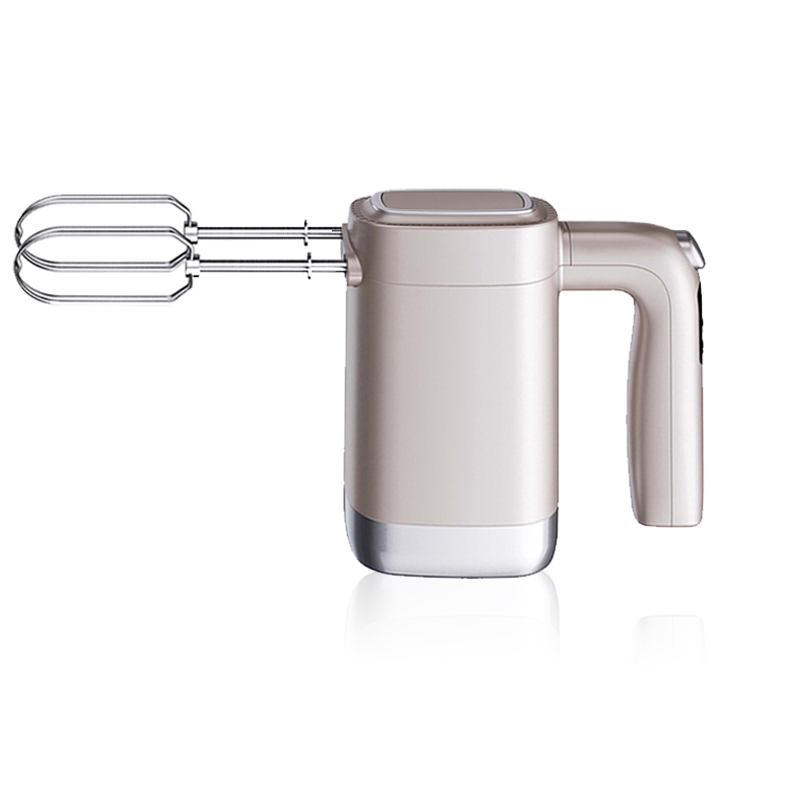
After more than fifteen years of building heated small appliances, we would rank a dependable thermostat above almost any other single feature in this category. It is the difference between foam you can plan a breakfast around and foam that depends on your reflexes with the off switch.
Residue, Odors, and Cleaning Habits That Backfire
Milk leaves a thin protein film within minutes of use. Left overnight, that film becomes a breeding ground for bacteria, which is why a neglected frother smells sour and passes an off taste into otherwise good coffee. The single most effective habit is also the cheapest: rinse the jug or whisk under warm water immediately after each use, before the residue sets.
Deep cleaning is where people damage their machines. Abrasive scouring pads scratch non-stick coatings, and once the coating is compromised, burnt residue becomes a permanent fixture. A soft sponge with a drop of dish soap handles nearly everything, and a short soak in warm water loosens what will not wipe away. Two cautions from the factory floor: never submerge a base that contains electrical components, and if your model heats milk, descale it every month or two in hard-water areas, because mineral buildup mimics the symptoms of a failing heating element.
Small parts deserve attention too. The spring inside a frothing whisk clogs with dried milk, and lid gaskets wear with age. Both are cheap to maintain and costly to ignore - a worn gasket lets steam escape, which undermines both froth quality and temperature accuracy.
Power Problems: Batteries, Charging, and Cordless Design
Battery-powered frothers fail differently from corded ones. Handheld wands running on disposable AA batteries drain fast, because whipping milk is genuinely heavy work for a small motor - and weak batteries produce the classic symptom of a whisk that spins freely in air but stalls the moment it meets milk. Rechargeable models trade that problem for another: lithium cells lose capacity over hundreds of cycles, and inferior cells lose it far sooner.
Charging contacts deserve a mention as well. On cordless appliances, dirty or corroded contact pins interrupt charging even when the battery itself is healthy; a quick dry wipe after kitchen use prevents most cases. What separates a good cordless frother from a frustrating one is mostly invisible engineering - proper cell selection, overcharge protection, and a motor rated for real load rather than ideal conditions.
Cordless design is our specialty, and our LD-6805W cordless frother reflects more than a decade of lessons from building battery-powered kitchen appliances: no cord cluttering the counter, and no doubt about whether it will finish the job.
Mechanical Wear: Motors, Shafts, and Coatings
Every frother wears out eventually; build quality decides how and when. A rattling noise usually means the whisk or motor shaft has bent slightly off-center, often after a drop or after the whisk was forced on at an angle. A motor that once spun briskly but now labors is losing torque, sometimes from worn components and sometimes from residue working into the bearing. Neither failure is user-repairable on most consumer models, which makes the initial construction decisive.
Coating failure follows the same logic. Thin, low-grade non-stick on the interior of a heated frother can peel within a year of daily use, and flaking coating is a legitimate reason to retire the appliance. Stainless steel interiors cost more to manufacture but remove this failure mode entirely. When you evaluate any frother, run the whisk dry for a few seconds: a smooth, steady hum signals an aligned shaft, while any wobble predicts noise and a short service life.
How to Choose a Frother That Avoids These Problems
Whether you are buying a single frother for your own kitchen or sourcing a product line, the checklist is the same, because the failure modes are the same:
- Temperature control with automatic shut-off near 60-65°C, which prevents both collapsed foam and scorched milk.
- Clear min and max fill markings, so foaming performance never depends on guesswork.
- A food-grade stainless interior or a demonstrably durable non-stick coating.
- A motor and battery, if cordless, rated for real load and equipped with overcharge protection.
- Compliance certification such as CE, RoHS, or ETL, which shows the product passed independent safety testing rather than only internal inspection.
Those final two points are where manufacturing experience shows. We have designed and produced small kitchen appliances in Ningbo since 2009, with in-house tooling, multiple assembly lines, dedicated testing equipment, and ISO9001:2015 certification alongside BSCI audit status. Our frother range, including the model below, is built directly against the failure list above, because solving these problems in the factory costs far less than reading about them in reviews.
If you are evaluating suppliers for a longer-term program, our why-choose-us page explains how we approach quality control in practice, from incoming materials to finished-product testing.
Most milk frother problems have unglamorous answers: the wrong milk, a misread fill line, a whisk attached loosely, or a rinsing habit that started a few weeks too late. Fix those and most frothers earn their counter space. The remaining failures - weak motors, peeling coatings, tired batteries - are decided before purchase, which is why the buying checklist matters more than any troubleshooting tip. To see how we apply these principles across our frothers, blenders, juicers, and other appliances, visit our main products page.
 SEE more
 SEE more
 SEE more
 SEE more
 SEE more
 SEE more
 SEE more
 SEE more
 SEE more
 SEE more
 SEE more
 SEE more
 Leave a message
Copyright © Ningbo Longde Life Electric Appliance Co., Ltd.  Wholesale Portable Kitchen Appliance For Outdoor Use Manufacturers