

 English
 España
Do You Heat Milk Before Using a Frother? Temperature Guide for Better Foam
 2026.09.04
 News
News
A handheld whisk frother spun in milk straight from the fridge gives you a predictable result: a thin cap of large bubbles sitting on milk that is still cold, collapsing before the cup is half poured. So, do you heat milk before using a frother? Yes, if you use a handheld frother, because it adds air only and no useful heat; warm the milk to 60-65°C (140-150°F) first. No, if you use an automatic electric frother with a heating function or a steam wand, because those add heat as they froth, so the milk should go in cold. Either way, keep the finish below roughly 70°C (158°F), the point at which foam stability and flavor both drop off sharply.
Why Temperature Decides the Foam You Get
Milk foam is a protein structure holding air, not just bubbles suspended in liquid. The whey and casein proteins in milk unfold under gentle heat, migrate to the boundary between milk and air, and form an elastic film around each bubble, while the fat adds body and a creamy mouthfeel. This behavior explains both temperature rules at once. Cold milk that never gets heated produces weak foam and a cold drink, because the proteins stay folded and rigid. Milk that is already too hot before aeration produces coarse, fast-draining foam, because the proteins have broken down too far and the scalded taste masks the natural sweetness of lactose.
That is why recommendations online can sound contradictory. Some sources insist on cold milk, others on warming it first. Both are correct for different tools, and the fastest way to avoid confusion is to match the rule to the equipment on your counter.
| Frothing method | Does it heat the milk? | What to do first |
|---|---|---|
| Handheld whisk frother, corded or battery powered | No, adds only a little friction heat | Heat the milk to 60-65°C (140-150°F), then froth for 20-30 seconds |
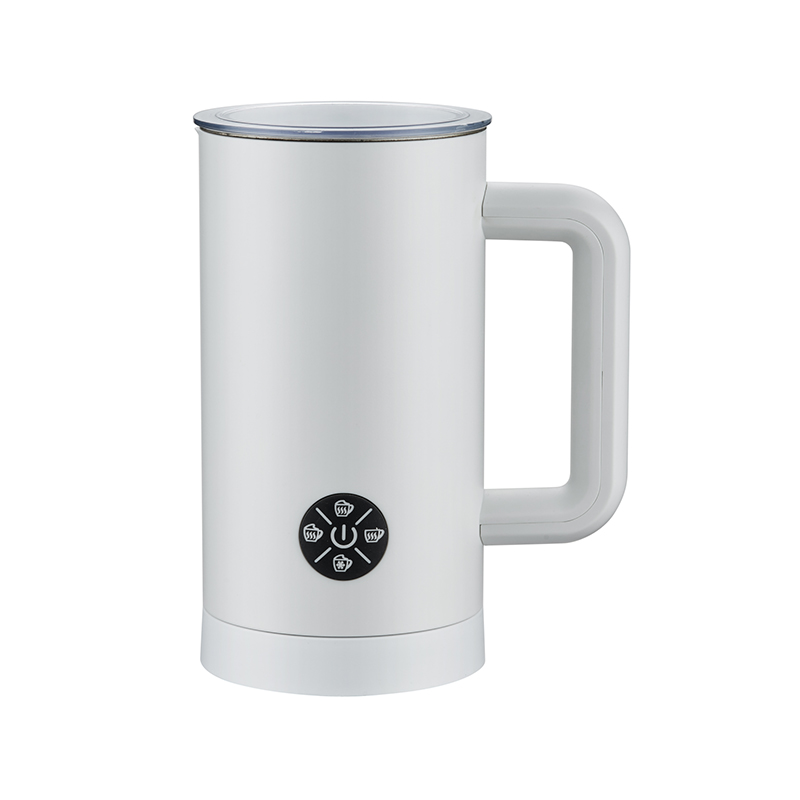
| Automatic electric frother with a heating function | Yes | Pour in fridge-cold milk, select the mode, and let it run |
| Steam wand on an espresso machine | Yes | Start with fridge-cold milk so the steam heats while it aerates |
| Jar or French press method | No | Heat the milk first, then shake or pump and pour immediately |
Heat the Milk First: The Rule for Handheld Frothers
A handheld whisk frother spins fast enough to fold air into milk in seconds, but friction adds only a degree or two. Milk from the fridge sits at about 4-7°C, and even a full minute of whisking leaves it far below drinking temperature. The foam may be there, but the cappuccino is not. Warming the milk first solves both problems in one step: the warmed proteins stabilize the bubbles more readily, and the finished drink lands at a drinkable temperature without a second trip to the microwave.
The working target is 60-65°C (140-150°F). Pull the milk off the heat when the first small bubbles form at the edge of the pan or the first wisp of steam rises. A clip-on thermometer removes the guesswork until you can judge by feel, which is when the jug is hot but you can still hold it for a few seconds. Never let it boil: boiled or scalded milk will not hold a stable foam and tastes flat. Then froth right away, because the window between heating and whisking should be a minute or two at most.
A step-by-step routine that works every time
- Start with fresh milk from the fridge; freshness matters as much as temperature.
- Heat a single serving to 60-65°C (140-150°F), about 30-45 seconds in the microwave or a short spell on the stovetop over medium heat.
- Pour it into a tall jug or wide cup, filling it no more than one third, because the foam will roughly double or triple the volume.
- Place the whisk just under the surface and run it for 20-30 seconds, moving it up and down so the air folds in evenly.
- Tap the jug on the counter and swirl it once to burst large bubbles and polish the texture.
- Pour over the coffee immediately; foam made this way is at its best within the first minute.
Battery Power Changes the Cord, Not the Temperature Rule
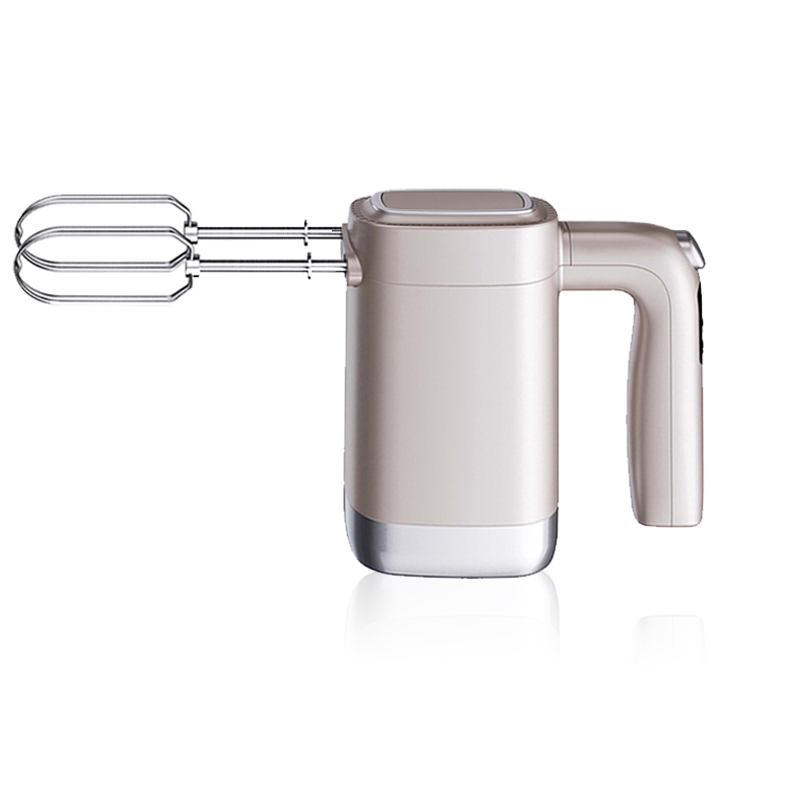
Cordless frothers run on rechargeable batteries, and the whisk action is the same as any handheld model, so the heat-first rule carries over unchanged. The same jug fill, the same 20-30 seconds of whisking, the same temperature window. What changes is convenience rather than physics: no outlet needed beside the coffee corner and no cable stretched across the worktop, which makes the routine easier to keep up with on a busy morning.
When Cold Milk Is the Right Starting Point
Automatic frothers with a heating function and espresso steam wands bring their own heat to the jug. Warm milk poured into them compresses the working window: the milk can pass 70°C (158°F) while it is still being aerated, and the result is coarse foam with a cooked taste. Fridge-cold milk gives the machine room to climb to 60-65°C (140-150°F) while the foam forms, and many heated models switch off on their own once the milk reaches the set temperature, which is precisely why that cold headroom matters. On a steam wand this becomes the classic two-phase routine, a short stretching phase to introduce air followed by texturing to spin the milk into a glossy, paint-like consistency. Even a purely manual whisk adds a little friction heat, which is another reason cold milk is the safer baseline whenever heat is coming from somewhere else.
Where Most Attempts Go Wrong
When foam fails at home, the temperature is usually right but one of the following details is not.
- Overfilling the jug: above one third full, the whisk splashes instead of aerating and the foam climbs over the rim.
- Frothing too long: past about 30-40 seconds the foam turns dry and stiff, forming big bubbles that sit like a cap instead of flowing.
- Overshooting the heat: above roughly 70°C (158°F) the foam collapses and the sweetness fades into a scalded, flat taste.
- Re-frothing milk that has already been heated and stood: the protein structure is already broken, and milk left standing also becomes a food-safety risk.
- Skipping the tap and swirl: large bubbles left in the foam drain quickly and leave a watery layer underneath.
Choosing the Milk, Then Pouring in Time
Fresh whole milk at around 3.5% fat gives the creamiest, longest-lasting foam for the heat-first routine. Skim milk whips into a larger, stiffer head that drains faster, and plant-based drinks generally need barista-formulated versions to match that protein and fat balance. The temperature rules stay the same for all of them, so once the habit is set, switching milk changes the texture rather than the method.
Milk frothers are one of the product lines we build at BLMEAS, a small kitchen appliance manufacturer founded in 2009 in Ningbo, alongside blenders, food choppers, slow juicers and soymilk makers; the breadth of the range appears among our main products. Our milk frother family spans corded and cordless models, including the LD-6808, and production runs under ISO 9001:2015 certified quality management with products certified to CE, RoHS, ETL and CCC standards for the markets we serve. Whether you froth for one cup each morning or spec frothers for a retail line, the same principle decides the result: match the starting temperature to the tool, hold the finish near 60-65°C (140-150°F), and pour while the foam is still alive.
PREV: Common Problems with Milk Frothers and How to Fix Them: A Manufacturer's Guide
NEXT:It is the last article
NEXT:It is the last article
 SEE more
 SEE more
 SEE more
 SEE more
 SEE more
 SEE more
 SEE more
 SEE more
 SEE more
 SEE more
 SEE more
 SEE more
 Leave a message
Copyright © Ningbo Longde Life Electric Appliance Co., Ltd.  Wholesale Portable Kitchen Appliance For Outdoor Use Manufacturers