

 English
 España
Is a Milk Frother Worth It? Honest Guide for Home Baristas
 2026.08.17
 News
News
Your typical café order — a 16-ounce latte, a cappuccino, or a flat white with microfoam that holds its shape — adds up fast. So the question eventually surfaces: is it worth getting a milk frother?
Some home baristas treat their frother as an everyday essential. Others describe it as a gadget that looked great in the box and then sat in a drawer. Both groups are telling the truth, because the answer depends on how you drink coffee, not on the device itself.
This guide will not push you toward a yes. It gives you a three-question self-test, a one-minute cost-recovery calculation, a candid look at how different milks behave, and a clear list of situations where a frother is the wrong purchase. By the end, you will have a decision, not just an opinion.
What Exactly Does a Milk Frother Do?
A milk frother does one job: it whips air into milk to create foam. The result can be loose and bubbly for a simple latte, or dense and silky enough to pour into latte art. The type of device you choose determines where you land on that spectrum.
| Type | How it works | Heats milk? | Foam texture | Best for |
|---|---|---|---|---|
| Handheld electric | Rotating whisk wand | No — heat separately | Large bubbles that fade quickly | Travel, occasional use |
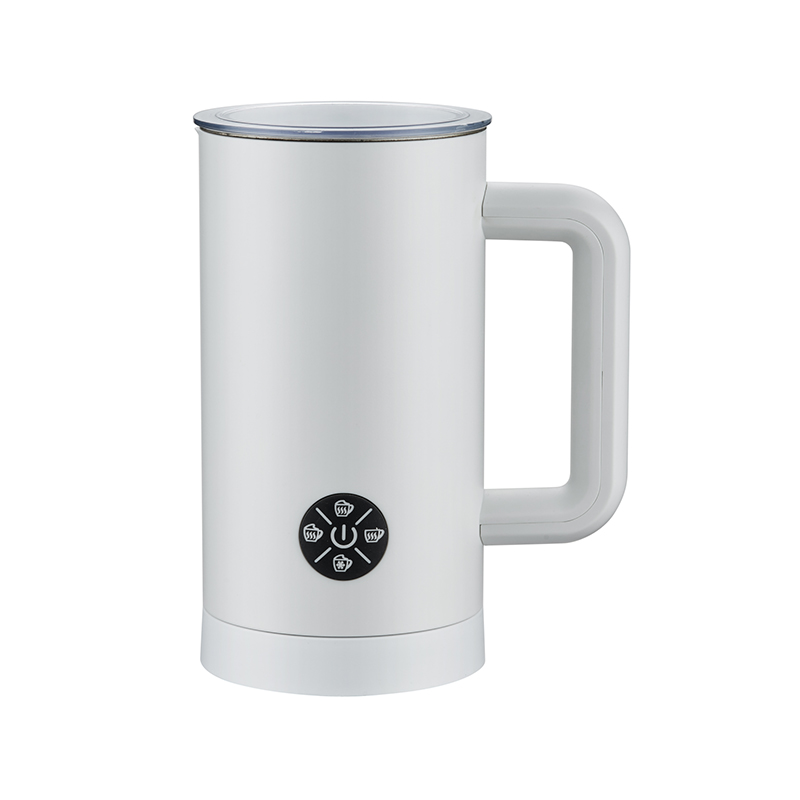
| Electric countertop | Automatic heating plus whisking | Yes, built-in | Dense, longer-lasting foam | Daily lattes and cappuccinos |
| Manual pump | Hand-pumped plunger | No — heat separately | Medium stability | Camping, no-power situations |
Compared with the alternatives, a dedicated frother sits in a sensible middle zone. A steam wand on an espresso machine produces the finest microfoam, but only if you already own that machine. A French press or a hand whisk can create foam, but the texture is coarser and the effort is noticeably higher. The shake-it-in-a-jar trick works in a pinch but goes flat within minutes. A purpose-built frother offers the best consistency-to-effort ratio for most home kitchens.
One reality check from independent testing: most handheld frothers produce large bubbles that fade quickly, and only premium countertop models approach the microfoam you get from a café steam wand. That does not make basic frothers useless. Because a frother aerates milk without diluting it the way steam does, even a simple model can noticeably improve the texture of a homemade latte.
The Cost Question: Does a Milk Frother Save You Money?
You want the short answer first: if you buy milk-based coffee out at least three times a week, a frother can pay for itself within two to three months. If you buy café drinks only occasionally, a frother is a lifestyle purchase, not a money-saving one.
Here is the calculation. Assume three café lattes a week at the price your local shop charges. Over 52 weeks, that is roughly 150 drinks a year. A mid-range electric frother typically costs about the same as 15 to 30 of those drinks. Run that against your own café spend and the payback becomes obvious: a few weeks of skipped café orders covers the device, and every drink after that is money saved.
For the honest side of the math, consider the low-frequency case. If you drink one milk-based coffee a week, the payback period stretches past a year. In that scenario, the frother still adds convenience, but the financial argument weakens. That is why this decision ultimately comes down to frequency, not price.
One more honesty note: a frother does not replace your coffee brewer. You still need a base of espresso, drip, or French press coffee. Treat the frother as an incremental upgrade, not a substitute for your existing setup. If your usage is moderate or occasional, choosing a basic corded frother for occasional use keeps the upfront cost low while still delivering noticeably better texture than manual whisking.
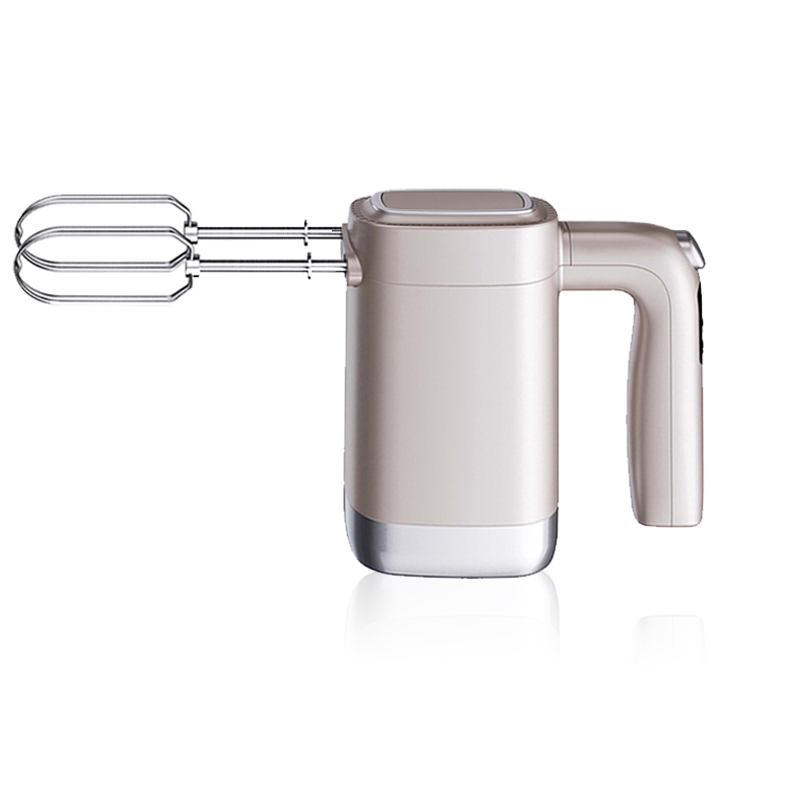
Milk Matters: How Different Milks Affect the Frothing Experience
The second variable that decides foam quality is the milk itself. No frother can fix a milk that simply does not foam well.
- Whole milk produces the most stable, silky foam because the fat content helps the bubbles hold their structure.
- Skim or low-fat milk creates more volume, but the foam turns dry and airy — closer to soap bubbles than to velvet — and it deflates faster.
- Oat milk is the best performer among plant milks, with smooth, reasonably dense foam, though its lower protein content makes the foam slightly less stable than dairy.
- Almond and coconut milk are notoriously tricky: their low fat and protein levels produce thin, sparse foam unless you buy a barista-edition formula specifically engineered for frothing.
The practical takeaway: if you primarily use plant-based milks, check reviews that specifically test oat or almond milk performance. Not all frothers handle alternative milks equally well. A model with multiple speed settings gives you more control over how much air you incorporate, which is why electric frothers with adjustable settings for alternative milks tend to be a safer choice for dairy-free households.
Manufacturing quality plays a quiet role here as well. Devices built under CE, RoHS, or ETL certification are tested for consistent motor speed and safe food-contact materials, which matters when you work with delicate plant milks day after day.
Three Questions to Ask Yourself Before Buying
Most buying guides give you a recommendation after comparing models. This one works differently: answer three questions honestly, and the decision becomes clear on its own.
Question one: how many milk-based coffees do you drink per week?
- Three or more: a frother earns its place through convenience alone, and the payback math above confirms it.
- One to two: you are on the fence, and the next two questions settle it.
- Fewer than one: skip the purchase unless this is a gift for someone else.
Question two: what coffee equipment do you already own?
- If you have an espresso machine with a steam wand, you do not need a separate frother — the wand does the job better.
- If you brew with a drip machine, French press, or pour-over, a frother fills the one gap in your setup.
- If you rely on instant or capsule coffee, a frother delivers the biggest relative upgrade: it turns an average cup into something that looks and feels like a café drink.
Question three: what foam quality do you expect?
- If foam is foam and you just want a topping, a budget handheld model meets the need.
- If you want dense microfoam for latte art, expect to spend more on a high-end electric unit — and that is where the "is it worth it" question gets real.
- If you want good texture without professional ambition, a mid-range countertop frother with preset modes is the sweet spot.
The pattern is simple. High frequency plus a missing steam wand plus a desire for better foam points hard toward yes. Low frequency, an existing steam wand, or pure black-coffee preferences point just as hard toward no.
What Can You Make Besides Latte and Cappuccino?
If you are worried a frother becomes a single-use gadget, consider what else it handles:
- Hot chocolate: frothed milk creates a thick, creamy topping instead of a flat layer of melted marshmallow.
- Matcha latte: whisking matcha with frothed milk gives it the smooth, airy texture that makes this drink popular in cafés.
- Cold foam: frothing cold milk produces the dense cold foam used on iced lattes and cold brew, which a steam wand cannot do efficiently.
- Cocktail toppings: frothed milk or dairy-free foam can stand in for egg-white foam in certain cocktails.
This is the versatility argument, and it holds up: even when you rotate between recipes, the same device still handles the basic job of heating and frothing milk for a standard latte.
When a Milk Frother Is NOT Worth It
Here we say plainly what many buying guides avoid. Four scenarios where a frother is the wrong purchase:
- You drink fewer than one milk-based coffee per week. Even the cheapest model will feel like clutter.
- You already own an espresso machine with a steam wand. The wand outperforms every standalone frother.
- You only drink black coffee. No milk, no foam, no reason.
- You will not accept the cleaning and counter space. A frother needs a quick rinse or a removable part in the dishwasher after each use. If that sounds tedious, it probably is — for you.
This honesty cuts both ways. The fact that a frother is not for everyone is exactly why the right users should feel confident buying one. It means the recommendation you heard from friends is grounded in a real pattern of use, not a passing trend.
What to Look for in a Quality Milk Frother
If your answers point toward yes, the next step is choosing a model that matches your expectations. These are the criteria that actually matter.
Temperature control
Milk loses its natural sweetness when it gets too hot — the sweet spot is below roughly 65°C (149°F). A frother with multiple heat settings lets you hit that range consistently instead of guessing.
Foam quality and adjustability
Look for separate modes for hot foam and cold foam, plus the ability to change the texture from coarse to fine. If you switch between dairy and plant milks, adjustability is not a luxury; it is a necessity.
Ease of cleaning
The best frothers have a removable whisk or jug that rinses clean or goes in the dishwasher. A one-piece sealed unit that cannot be properly cleaned is a future irritation hidden in a nice-looking shell.
Capacity and footprint
Single-serve models handle roughly one drink, while family users should look for a larger jug capacity. If your counter is tight, a cordless frother for travel and countertop flexibility removes the need to dedicate a power outlet permanently.
Finally, check the manufacturer's quality credentials. Certifications such as CE, RoHS, and ETL, along with an ISO9001 quality management system, indicate that the appliance has passed documented testing for electrical safety, materials, and consistent performance. That baseline prevents surprises after a few weeks of daily use.
Conclusion: Is It Worth Getting a Milk Frother?
So, is it worth getting a milk frother? The honest answer is conditional: yes for some drinkers, no for others, and the distinction is not hard to draw.
You will get real value if you drink milk-based coffee at home several times a week, have no steam wand, and want café-style texture without the café markup. You will not miss it if your consumption is rare or your taste runs to black coffee.
If you drink milk-based coffee at home at least a few times a week, a milk frother is one of the few small kitchen appliances that genuinely earns its place on the counter. Run through the three questions one more time with your own numbers. The conclusion you reach will stick, because it came from your routine.
 SEE more
 SEE more
 SEE more
 SEE more
 SEE more
 SEE more
 SEE more
 SEE more
 SEE more
 SEE more
 SEE more
 SEE more
 Leave a message
Copyright © Ningbo Longde Life Electric Appliance Co., Ltd.  Wholesale Portable Kitchen Appliance For Outdoor Use Manufacturers