

 English
 España
Is Cordless Hand Blender Suitable for High-Temperature Cooking
 2026.02.24
 Industry News
Overview of Cordless Hand Blenders
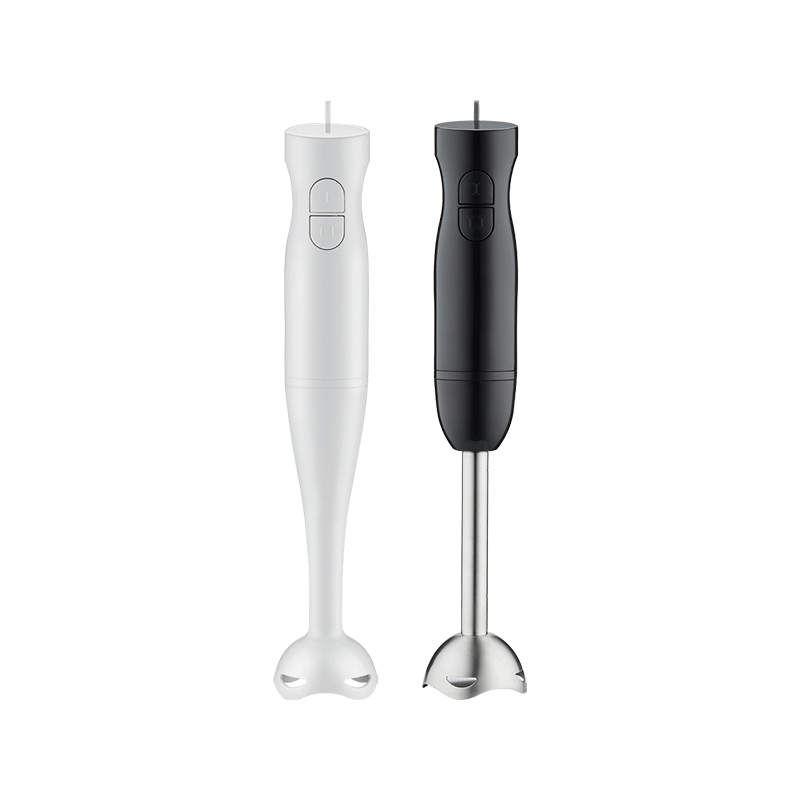
A cordless hand blender has become a popular kitchen tool in recent years due to its convenience and wireless operation. Many consumers appreciate its ability to blend ingredients without being tethered to a power outlet. However, as more users experiment with using cordless hand blenders in high-temperature cooking, the question of whether they are suitable for such environments has become a hot topic.
Before diving into whether cordless hand blenders are suitable for high-temperature cooking, it’s essential to understand their basic components and working principles. A typical hand blender consists of a motor, blades, casing, and battery. Cordless versions have added a more advanced lithium battery and wireless charging technology. While designed to offer flexibility, this setup may mean that some parts, especially the battery and motor, may not be ideal for handling high temperatures.
Impact of High-Temperature Cooking on Cordless Hand Blenders
During high-temperature cooking, food is often exposed to temperatures of 100°C or higher, especially in methods like stir-frying, stewing, or simmering. The ability of a cordless hand blender to withstand these conditions becomes a critical factor.
Battery Overheating Risk
Cordless hand blenders typically use lithium batteries, which are known to suffer from reduced performance and potential damage when exposed to high temperatures. Prolonged exposure to heat can lead to battery swelling, leakage, or complete failure. Therefore, when using a cordless hand blender in high-temperature cooking, it’s essential to ensure that the battery is protected from overheating, as this can drastically shorten its lifespan.
Motor Overheating Issues
The motor of a cordless hand blender must provide consistent power output during operation. In high-temperature environments, the motor faces an increased risk of heat buildup, which can lead to overloading or damage. While many cordless hand blenders feature thermal protection mechanisms, these devices are generally not designed to withstand high-temperature conditions for extended periods.
Plastic Casing Temperature Resistance
The casing of cordless hand blenders is often made from high-strength plastic or stainless steel. Although these materials have good resistance to corrosion, plastic parts can deform or degrade when exposed to high temperatures. Over time, repeated exposure to heat may cause plastic components to lose their structural integrity, affecting the blender’s functionality and longevity.
Safety Concerns with Heating Liquids
When blending hot liquids, such as soups or beverages, additional safety risks arise. Hot liquids can accelerate the heat buildup within the battery and motor, potentially leading to short circuits or other hazards. It is crucial to consider these risks when using a cordless hand blender with hot ingredients.
Suitable Cooking Environments for Cordless Hand Blenders
While cordless hand blenders are not ideal for prolonged high-temperature cooking, they can still be effective in some situations, provided they are used with caution.
Blending Warm Ingredients
For foods that are warm but not boiling, cordless hand blenders can operate safely. For example, making smoothies, pureeing cooked vegetables, or preparing sauces are tasks that cordless hand blenders can handle effectively without putting excessive strain on the motor or battery.
Short-Term High-Temperature Use
If the cordless hand blender is used for brief periods during high-temperature cooking and given adequate resting time between uses, the risk of overheating the motor and battery can be minimized. For instance, when stirring hot soups or stews, it’s best to use the blender in short bursts, ensuring that it has time to cool down before the next use.
Using the Blender After Cooling
After cooking at high temperatures, it’s advisable to allow the food to cool down before using the cordless hand blender. This will not only protect the device from overheating but also ensure that the motor and battery are not subjected to excessive thermal stress.
 SEE more
 SEE more
 SEE more
 SEE more
 SEE more
 SEE more
 SEE more
 SEE more
 SEE more
 SEE more
 SEE more
 SEE more
 SEE more
 Leave a message
Copyright © Ningbo Longde Life Electric Appliance Co., Ltd.  Wholesale Portable Kitchen Appliance For Outdoor Use Manufacturers