

 English
 España

Slow Juicer vs Centrifugal Juicer: Yield, Noise and Cleaning Explained
 2026.11.20
 News
If you are comparing a slow juicer with a centrifugal juicer, the decision usually comes down to three everyday questions: how much juice you get, how loud the machine is, and how much time you spend cleaning it. Both machines make fresh juice, but they take very different routes to get there. At BLMEAS, we have been building small kitchen appliances since 2009, and we have seen how much difference those small details make in daily use.
How Slow and Centrifugal Juicers Work
A centrifugal juicer uses a fast-spinning basket and cutting disc. Produce is shredded, then spun at high speed so juice passes through a mesh screen while pulp stays behind. This is the classic fast juicer design: quick, straightforward, and usually lower in price.
A slow juicer, also called a masticating or cold-press juicer, works at much lower speed. An auger crushes and presses produce against a screen, squeezing juice out gradually. There is no high-speed spinning basket. The process is slower, but it is gentler on the produce and often leaves drier pulp.
The names can be confusing. “Slow” does not mean inefficient; it means the main working part turns slowly. “Centrifugal” describes the force that separates juice from pulp. Once you understand those two mechanisms, the differences in yield, noise, and cleaning become much easier to predict.
Juice Yield: Which Machine Gets More From Your Produce
Yield is the amount of juice you get from a given weight of produce. It depends on the ingredient, its freshness, how it is cut, and how well the juicer’s screen and pressure system work. In general, a well-designed slow juicer produces a higher yield, especially on leafy greens, herbs, and soft fruits. The auger presses the pulp more thoroughly, so the leftover material comes out drier.
Where Slow Juicers Tend to Win
Leafy greens such as spinach, kale, and wheatgrass show the difference clearly. A centrifugal juicer can chop them quickly, but the light, fibrous pulp may stay wet and carry useful juice with it. A slow juicer handles these ingredients more patiently. The same is often true for soft fruits, berries, and ingredients that tend to foam.
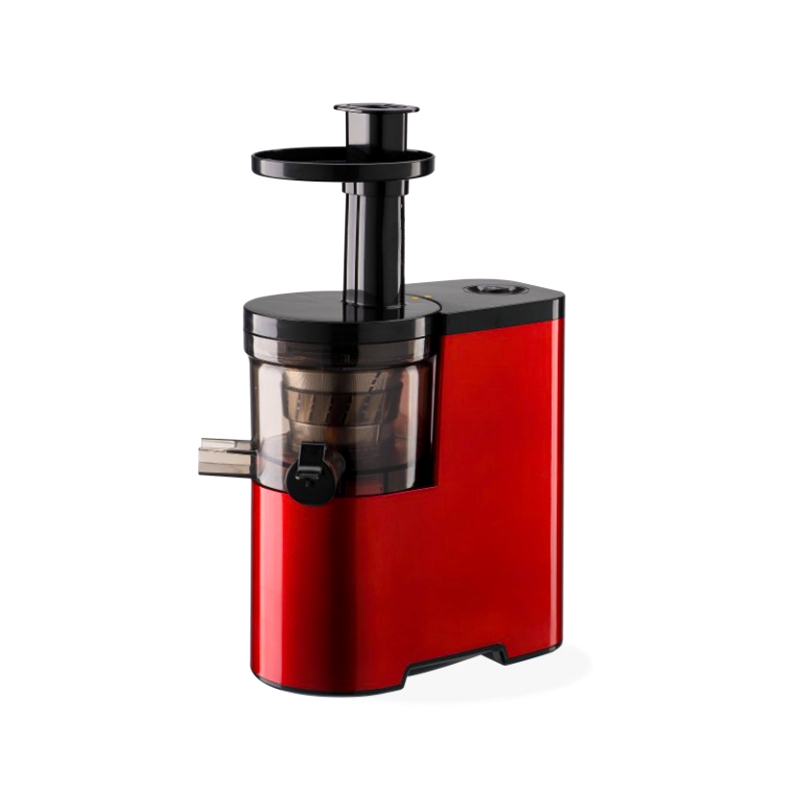
Where Centrifugal Juicers Catch Up
Centrifugal juicers can be very effective on firm, high-water produce such as apples, carrots, and cucumbers. Wide feed chutes often accept larger pieces, and the fast process suits a quick morning glass. However, the pulp usually comes out wetter, and yield can vary more from one model to another. A basic centrifugal juicer may leave more juice in the pulp, while a slow juicer’s advantage is often more consistent across ingredients.
Yield is not only about the number in the bottle. If a centrifugal juicer saves you five minutes every morning, that convenience has real value. If you juice greens regularly or want to get the most from expensive produce, the extra yield from a slow juicer can matter more.
Noise: What You Will Actually Hear
Noise is one of the clearest differences. A centrifugal juicer spins at high speed, so you hear a strong motor whir, air movement, and the vibration of the basket. It is fast, but it can be loud enough to wake a quiet kitchen. The sound is short-lived because the juicing itself is quick, yet the peak noise is noticeable.
A slow juicer runs at low speed, so it is generally much quieter. You will still hear the motor and the sound of produce being crushed, and tougher ingredients may make the machine work harder. But the overall sound is lower and less sharp. If you juice early in the morning, live in a small apartment, or simply dislike loud appliances, this difference can be just as important as yield.
Neither type is silent. Motor quality, housing design, and how ingredients are fed into the machine all affect noise. A well-built slow juicer with a stable base and tight-fitting parts will usually sound calmer than a basic centrifugal model.
Cleaning: The Everyday Reality
Cleaning is where many buyers are surprised. A centrifugal juicer has fewer parts in some ways, but its strainer basket has a fine mesh that traps pulp and foam. If you let the pulp dry, that mesh can be fiddly to brush clean. The pulp container and lid also need rinsing, and colored produce can leave stains if left too long.
A slow juicer usually has more components: an auger, a juicing drum, a screen, a pulp outlet, and a juice container. That can sound like more work, and it often is a little more work. The advantage is that many slow juicers are designed for easy disassembly, and smooth parts rinse quickly. The screen still needs attention, especially after leafy greens or fibrous ingredients. Rinsing immediately makes a big difference for both types.
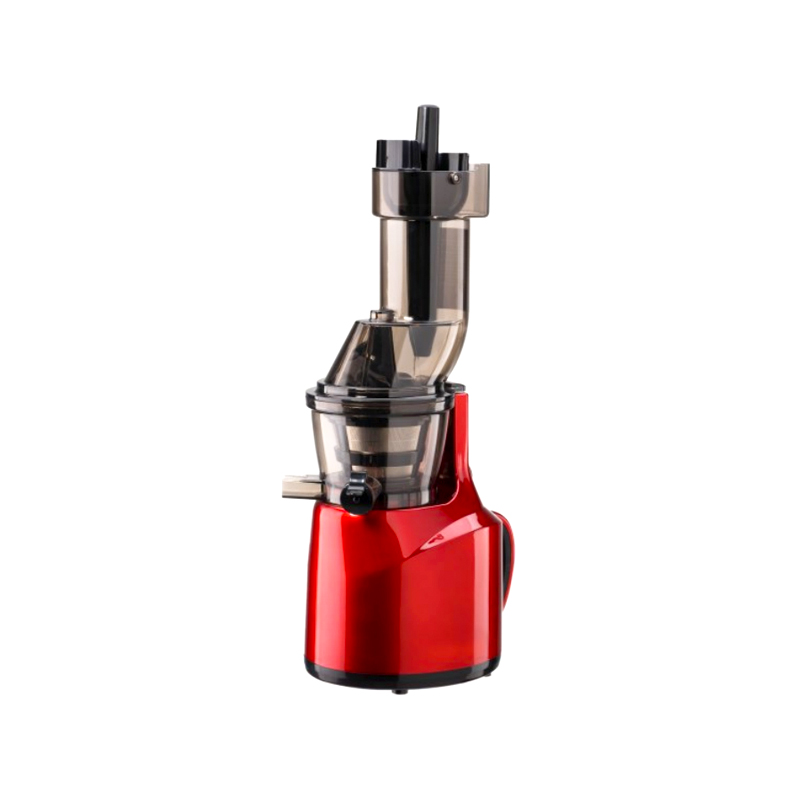
A practical rule: if you hate cleaning, look at the number of parts and the shape of the screen, not just the price. A simple design that comes apart in seconds can be more pleasant than a complicated machine that claims to be self-cleaning. Also check whether the parts are dishwasher-safe if that matters in your home. Our own experience building kitchen appliances has taught us that small design choices, such as a wide pulp outlet or a screen that opens flat, often decide whether a juicer gets used every day or stays in the cupboard.
Side-by-Side Comparison
The table below sums up the main trade-offs. Use it as a starting point, then match the machine to the way you actually juice.
| Factor | Slow Juicer | Centrifugal Juicer |
|---|---|---|
| Yield | Usually higher, especially on greens and soft fruit; drier pulp | Good on firm produce; pulp often wetter; results vary by model |
| Noise | Generally quieter, with a low motor hum and crushing sound | Typically louder because of the high-speed spinning basket |
| Cleaning | More parts, but often easy to rinse; screen needs attention | Fewer large parts, but the mesh basket can trap pulp and foam |
| Best for | Daily greens, batch juicing, quieter kitchens | Quick glasses, firm produce, lower entry price |
Choosing the Right Juicer for Your Kitchen
Choose a slow juicer if you juice leafy greens, want drier pulp, prefer a quieter kitchen, and do not mind a slower pace. It also suits people who like to make juice in batches and store it in the refrigerator for a day or two. Choose a centrifugal juicer if speed is your priority, you mostly juice firm fruits and vegetables, and you want a lower entry price. It is a good fit for a quick glass before work or for families who drink juice immediately.
Think about your routine. Do you juice a large bag of carrots at once? A centrifugal model may be faster. Do you make a green juice every morning? A slow juicer may give you more juice and less foam. Do you have limited counter space? Check the footprint and the height of the feed chute. Do you dislike cleaning? Compare the parts list carefully. These questions matter more than a long list of features.
Practical Tips for Better Yield and Easier Cleaning
- Cut produce to fit the feed chute, but do not over-chop. Smaller pieces can speed up a slow juicer, while a centrifugal juicer often handles larger pieces well.
- Feed leafy greens in small bundles, alternating with a firm ingredient such as apple or cucumber. This can help the juicer move the greens through more effectively.
- Rinse the screen and basket as soon as you finish. Pulp dries quickly and becomes harder to remove.
- Use the correct speed setting if your juicer has one. Running soft fruit at high speed can create extra foam and reduce yield.
- Keep a small brush near the sink for the screen. It is a small habit that makes cleaning much less annoying.
Final Thoughts
There is no single winner in the slow juicer vs centrifugal juicer debate. The right choice depends on the juice you drink, the noise you can tolerate, and the cleaning routine you will actually keep. A slow juicer rewards patience with higher yield and quieter operation. A centrifugal juicer rewards speed with a quick, convenient glass. If you keep those trade-offs in mind, you can choose a machine that fits your kitchen instead of one that simply looks good on paper.
If you would like to understand how our manufacturing approach supports durable, practical kitchen appliances, you can read more about why customers choose BLMEAS. We build small appliances with the daily user in mind, from slow juicers to choppers and blenders.
PREV: Portable Blender Buying Guide: Battery Life, Power and Blade Design Explained
NEXT:It is the last article
NEXT:It is the last article
 SEE more
 SEE more
 SEE more
 SEE more
 SEE more
 SEE more
 SEE more
 SEE more
 SEE more
 SEE more
 SEE more
 SEE more
 SEE more
 Leave a message
Copyright © Ningbo Longde Life Electric Appliance Co., Ltd.  Wholesale Portable Kitchen Appliance For Outdoor Use Manufacturers